

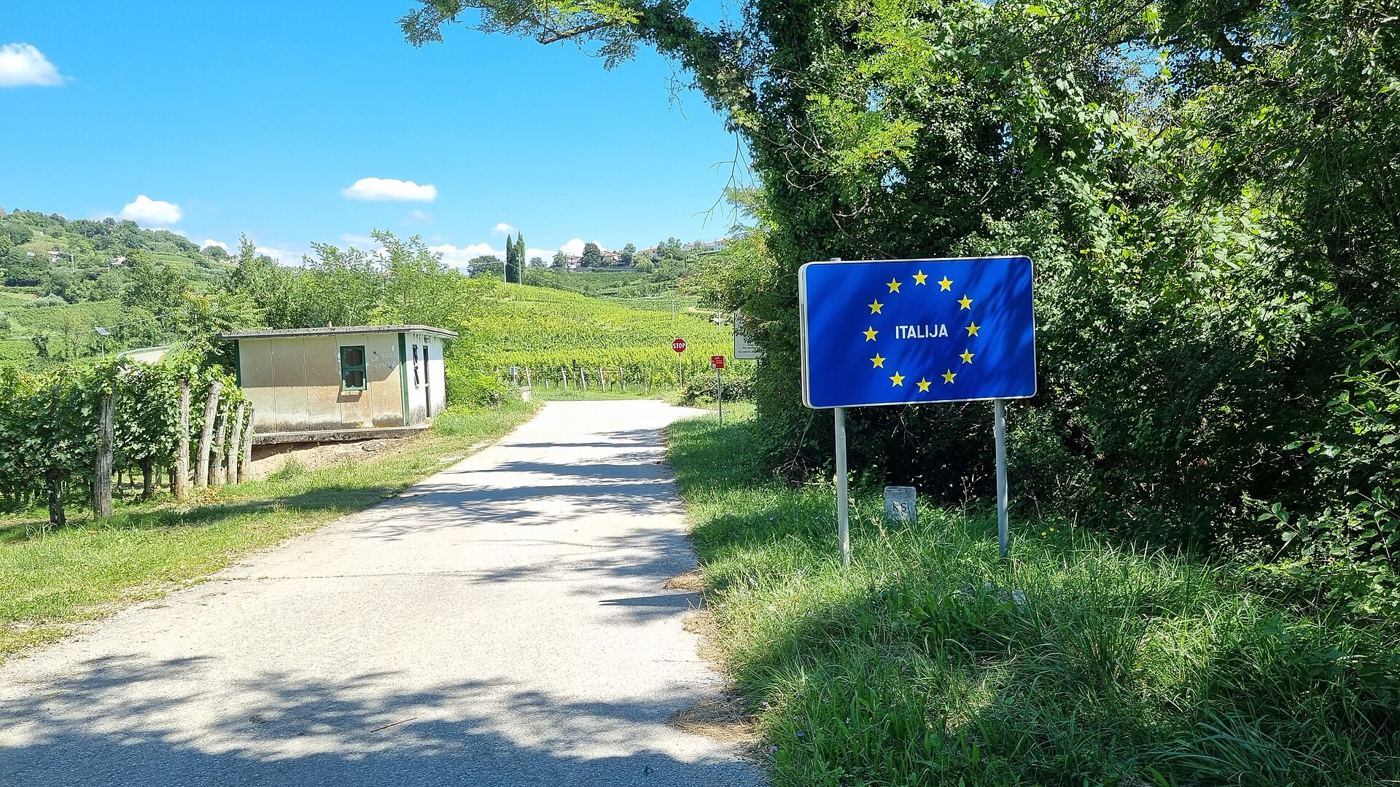

Border towns live with migration policy in a way that distant capitals rarely see, and each change in the rules reaches their streets, schools and clinics within days. When a government tightens entry rules, the number of people arriving falls, but so does the trade that travellers bring to local shops, cafes and transport firms. When the rules ease, arrivals rise and the town’s services, from housing to health care, come under sudden strain. Local mayors say they are rarely consulted before a policy changes, yet they are the ones who must house new arrivals, enrol their children in school and explain the rules to residents who feel the effects first. Charities working in these towns say the people most affected are often the newest arrivals themselves, who may wait months for a decision while living in temporary accommodation. Local officials say the waiting itself is the hardest part, with families unsure where they will be living next month.
What the Evidence Shows
The debate in border communities is rarely as simple as the national argument suggests. Many residents support controlled migration and welcome the workers and families who settle in their towns, yet they also want the services to cope and the rules to be clear. Employers in farming, hospitality and care say they depend on migrant workers and struggle to fill posts when the rules tighten suddenly. Councils are asking for funding that follows the numbers, so that a town receiving more arrivals gets more support for schools and clinics. Researchers who study border areas say the towns that cope best are those with strong community groups, clear information and time to plan. For the people living there, migration policy is not an abstract debate but a daily reality that shapes their high street, their workplace and their neighbours. Reporting and analysis from sources such as Associated Press track the same developments, and specialists following migration policy border towns say the direction is now consistent across independent lines of evidence.
The Wider Context
Regional and local reporting on migration policy border towns often tells a different story from national coverage, because the effects land unevenly: one town’s pilot is another’s distant proposal. Analysts who follow the subject full-time read the local data first, arguing that national averages conceal the variation that decides whether a policy or a project deserves to spread.
What Happens Next
The longer story of migration policy border towns is still being written by the people closest to it, whose experience rarely matches the earliest predictions of either supporters or critics. Reporting will continue to follow the evidence as it accumulates, including where it complicates today’s account. That is the deal serious coverage makes with its readers, and it holds for this subject as for any other. You can follow related developments in our coverage of news.
It is also worth remembering how quickly the picture in this area has changed before. Positions that looked settled a few years ago have been revised as new data arrived, and the same humility is appropriate now. The strongest coverage of this subject, and the most useful advice, tends to come from sources that update their views openly when the facts move, rather than defending an earlier position long after it has stopped fitting the evidence available.