

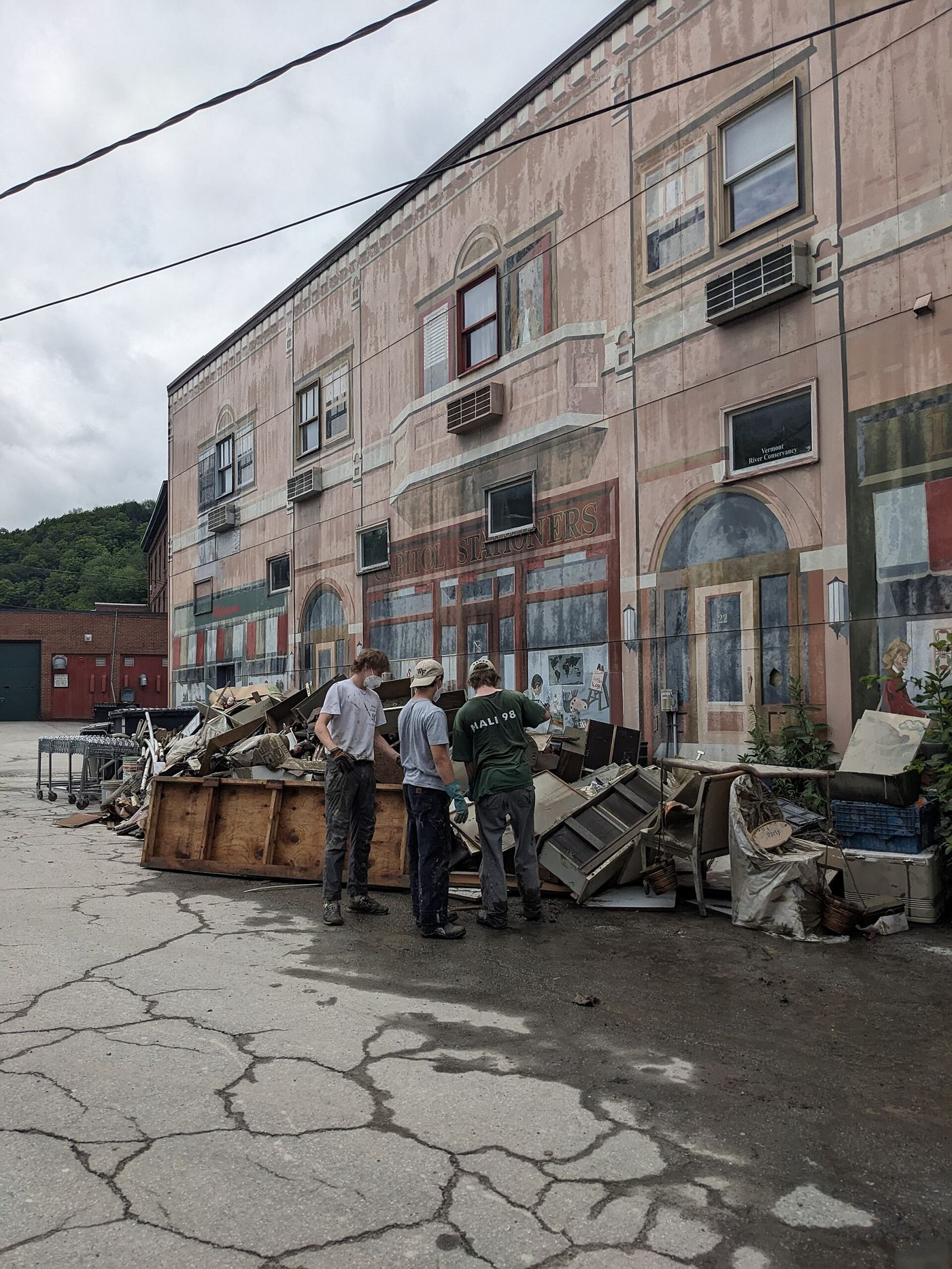

Towns hit by repeated flooding are speeding up upgrades to drainage systems, river defences and flood storage after storms that caused costly damage to homes, businesses and roads. In several regions, streets that once flooded rarely now fill with water several times a year, overwhelming drains designed for a different climate. Local councils say the work cannot wait, and they are bringing forward projects that were previously scheduled years into the future. The upgrades include larger storm drains, permeable pavements that let rain soak away, and upstream storage areas that hold water back before it reaches built-up areas. Engineers stress that no single measure can prevent flooding entirely, especially when extreme rainfall overwhelms even new systems, but they say the combination can reduce both the frequency and the depth of flooding. Residents, meanwhile, want action they can see, after years of sandbags and emergency clean-ups.
What the Evidence Shows
Funding the work is one of the biggest challenges. Drainage upgrades are expensive, and councils must compete for limited central government grants while also maintaining existing infrastructure. Some towns are working with water companies and farmers to manage water across whole river catchments, rather than treating each flooded street in isolation. Nature-based solutions are gaining favour, including restored wetlands and tree planting on hillsides, which slow the flow of water and provide wildlife benefits at the same time. Insurers are watching the investment closely, since effective defences can keep premiums affordable and properties insurable. Homeowners in flood-prone areas are also being encouraged to install their own measures, such as flood doors and raised electrical sockets, though experts say household action is no substitute for proper infrastructure. The test will come with the next major storm, when towns will find out whether the money spent has made a real difference to the water at their doors. Reporting and analysis from sources such as Associated Press track the same developments, and specialists following flood drainage upgrades say the direction is now consistent across independent lines of evidence.
The Wider Context
Regional and local reporting on flood drainage upgrades often tells a different story from national coverage, because the effects land unevenly: one town’s pilot is another’s distant proposal. Analysts who follow the subject full-time read the local data first, arguing that national averages conceal the variation that decides whether a policy or a project deserves to spread.
What Happens Next
The longer story of flood drainage upgrades is still being written by the people closest to it, whose experience rarely matches the earliest predictions of either supporters or critics. Reporting will continue to follow the evidence as it accumulates, including where it complicates today’s account. That is the deal serious coverage makes with its readers, and it holds for this subject as for any other. You can follow related developments in our coverage of news.
It is also worth remembering how quickly the picture in this area has changed before. Positions that looked settled a few years ago have been revised as new data arrived, and the same humility is appropriate now. The strongest coverage of this subject, and the most useful advice, tends to come from sources that update their views openly when the facts move, rather than defending an earlier position long after it has stopped fitting the evidence available.