

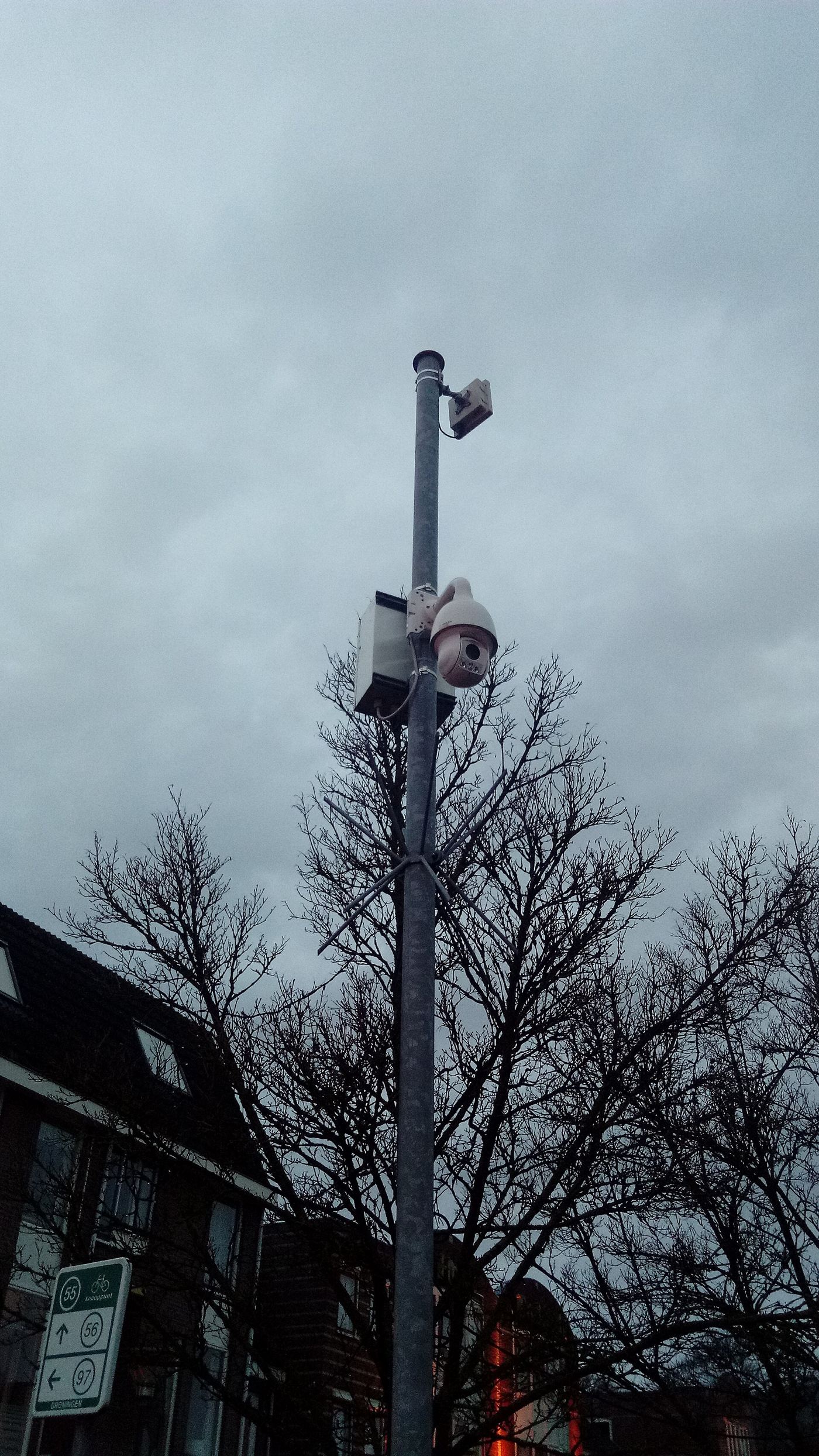

A camera above a busy street can now do more than record: software can match a face against a watchlist in seconds, and that capability has split cities, lawmakers and police forces around the world. Supporters say live facial recognition helps find missing children and stop serious crime before it happens. Critics warn that the same systems can misidentify innocent people, track crowds without consent and normalise constant surveillance. The European Union drew the sharpest line so far: its AI Act, in force since August 2024, bans real-time remote biometric identification in publicly accessible spaces for law enforcement, with the prohibition applying from 2 February 2025 and fines of up to 35 million euros or 7 percent of worldwide turnover. In the United States there is no federal ban, but San Francisco barred its own agencies from using the technology in 2019 and other cities have followed with their own ordinances.
What the Evidence Shows
The European ban is not absolute. Police may still use live facial recognition in narrow cases, such as searching for victims of abduction or trafficking, preventing an imminent threat, or locating suspects of serious crime, and only with prior authorisation from a judge or an independent authority. Sweden went further in the other direction: a law in force from 1 July 2026 lets its police use live face recognition where it is absolutely necessary to locate or identify a specific person. Technology used on recorded footage after an event is treated separately as high-risk rather than banned, and the European Commission’s AI Omnibus, in force since 27 July 2026, moved the date those high-risk rules apply to 2 December 2027. For residents, the practical question is who decides, and who checks, when a camera stops merely watching and starts identifying. Reporting and analysis from sources such as Associated Press track the same developments, and specialists following facial recognition in public spaces say the direction is now consistent across independent lines of evidence.
The Wider Context
Regional and local reporting on facial recognition in public spaces often tells a different story from national coverage, because the effects land unevenly: one town’s pilot is another’s distant proposal. Analysts who follow the subject full-time read the local data first, arguing that national averages conceal the variation that decides whether a policy or a project deserves to spread.
What Happens Next
The longer story of facial recognition in public spaces is still being written by the people closest to it, whose experience rarely matches the earliest predictions of either supporters or critics. Reporting will continue to follow the evidence as it accumulates, including where it complicates today’s account. That is the deal serious coverage makes with its readers, and it holds for this subject as for any other. You can follow related developments in our coverage of news.
It is also worth remembering how quickly the picture in this area has changed before. Positions that looked settled a few years ago have been revised as new data arrived, and the same humility is appropriate now. The strongest coverage of this subject, and the most useful advice, tends to come from sources that update their views openly when the facts move, rather than defending an earlier position long after it has stopped fitting the evidence available.