


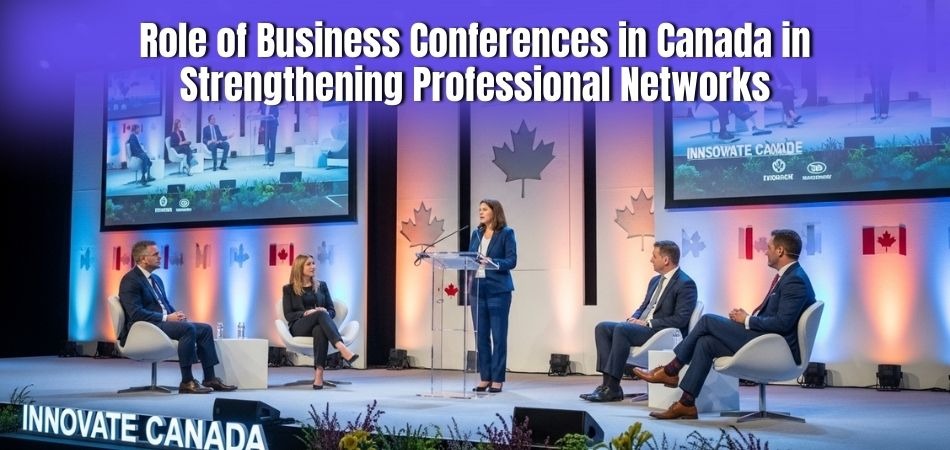
Business conferences create opportunities for conversations, introductions, and professional relationships that can lead to long-term career growth, collaboration, and business development. In a country known for its diverse industries, globally connected cities, and strong professional event culture, business conferences in Canada have become an important setting.
Understanding the role of business conferences in Canada in strengthening professional networks can help professionals see why these events matter and how they support more meaningful industry connections.
Read on to explore how these conferences support stronger networking, why Canada offers a unique environment for them, and what attendees can do to gain more long-term value from each event.
What Makes Business Conferences in Canada Unique?
Canadian business conferences stand out because they combine diverse professional communities, strong industry coverage, major regional business hubs, and practical networking opportunities. These factors help explain why these conferences offer a distinct networking experience compared to many other business event settings.
- Multicultural Business Environment: Canada’s diverse professional landscape brings together people from different industries, backgrounds, and markets. This makes conference networking broader, more inclusive, and often more international in scope.
- Wide Industry Representation: Conferences in Canada cover major sectors such as tech, finance, energy, healthcare, and agritech. That gives attendees access to both industry-specific events and cross-sector networking opportunities.
- Strong Regional Conference Hubs: Toronto, Vancouver, Calgary, Montreal, and Ottawa each offer different business strengths. This helps professionals choose conferences that match their industry focus and networking goals.
- Professional and Structured Event Culture: Canadian conferences often include panels, workshops, networking sessions, and business meetups in a well-organized setting. That structure makes it easier to connect with people in a more purposeful way.
- Supportive Business Ecosystem: Canada’s business environment is supported by trade bodies, development organizations, and professional associations. This adds more value to conferences by connecting events with real business growth and collaboration opportunities.
The Role of Business Conferences in Canada in Strengthening Professional Networks
Professional networking becomes more effective when people have the chance to interact in a more direct and meaningful setting. Conferences support that process by creating spaces where professionals can meet, talk, learn, and stay connected beyond a single event. Several networking mechanisms explain why these events continue to matter across industries.
Face-to-Face Trust Building
In-person interaction often builds trust faster than online communication alone. A short conversation at a conference can feel more genuine than multiple digital exchanges on professional platforms. That stronger first impression often makes future communication easier and more natural.
Serendipitous Introductions
Some of the most valuable connections happen outside scheduled sessions. Casual conversations during breaks, hallway meetings, and shared table discussions often introduce people who would not normally connect. These unplanned moments can lead to useful partnerships, referrals, or future collaboration.
Panel and Speaker Access
Conferences give attendees direct access to speakers, moderators, and industry experts. Asking a question after a panel or starting a short discussion after a session can open the door to a meaningful professional relationship. That access makes networking more practical and less formal.
Workshop Collaboration
Workshops create a more interactive setting than standard presentations. When people solve problems, exchange ideas, or discuss challenges together, the connection often becomes more memorable. This makes it easier to form relationships based on shared interests and practical discussion.
Cross-Industry Exposure
Many conferences attract professionals from different sectors, not just one field. That wider mix helps attendees discover new perspectives, trends, and opportunities outside their usual circle. In many business conferences Canada hosts across major cities, this cross-industry mix adds more depth to networking.
Follow-Up Culture
Conferences create a natural reason to continue the conversation after the event ends. A meeting at a session, workshop, or networking break gives professionals a clear point of reference for a follow-up message. That makes post-event communication feel more relevant and less forced.
Alumni Networks
Recurring conferences often build long-term communities over time. People return each year, reconnect with familiar faces, and expand existing relationships through repeated interaction. This helps turn one-time introductions into stronger professional networks that continue to grow.
Top Business Conferences in Canada 2026 by Industry
Canada hosts business conferences across tech, finance, HR, entrepreneurship, energy, and global business. Some are large national events, while others are more niche and industry-focused. The table below highlights major conferences in 2026 that professionals often look at when choosing where to network, learn, and build visibility.
| Conference | Industry | Location | Focus Area |
| Global Conference on Business Management and Economics (GCBME) | Business & Economics | Vancouver / Halifax | Research, strategy, and professional networking |
| Web Summit Vancouver | Tech & Startups | Vancouver | Innovation, investment, global tech networking |
| PDAC Convention 2026 | Mining & Resources | Toronto | Global resource sector |
| Elevate Festival | Tech & Society | Toronto | Future of work, startups, innovation |
| BDC Small Business Week | SMEs | Nationwide | Entrepreneurship and small business growth |
| HRPA Summit | HR & Leadership | Toronto | People, leadership, workplace strategy |
The ROI of Attending Business Conferences in Canada 2026
Attending a business conference in Canada in 2026 can be worth it when the event fits your goals, industry, and networking needs. The value often comes from more than one outcome, which is why conference ROI should be viewed from several practical angles. Looking at those areas more closely helps explain why these events remain a worthwhile investment for many professionals.
Career Growth
Conferences can increase your visibility in front of recruiters, decision-makers, and industry leaders. A direct conversation can lead to new opportunities, introductions, or professional recognition that may not happen through online networking alone. This makes conferences useful for people focused on long-term career development.
Business Opportunities
Many attendees gain value through leads, partnerships, referrals, and vendor connections. Meeting the right person in a conference setting can open the door to deals or collaborations that continue after the event. In some cases, one strong connection can justify the total cost of attending.
Knowledge and Market Insight
Conferences also offer value through learning. Keynotes, panels, and workshops help attendees understand current trends, practical challenges, and emerging ideas within their industry. That knowledge can support better decisions long after the event ends.
Long-Term Relationships
Professional relationships often become one of the most valuable outcomes of attending. Conferences create a natural setting for starting conversations and continuing them after the event. Over time, these connections can lead to mentorship, collaboration, or ongoing industry support.
Cost Versus Value
The total cost usually includes registration, travel, accommodation, and meals. Whether that cost feels worthwhile often depends on what comes from the event afterward. If attendance leads to one client, one partnership, or one strong career connection, the return can easily outweigh the expense.
When the Return Is Strongest
The return is usually higher when attendees choose the right conference and show up with clear goals. It also improves when they follow up, stay in touch, and turn short conversations into ongoing relationships. In most cases, the real return comes from both the event itself and the action taken afterward.
Strategies to Maximize Networking at Canadian Business Conferences
Getting value from a conference depends on more than showing up. Strong networking usually comes from preparation, better conversations during the event, and consistent follow-up afterward. These are the strategies you can apply to maximize networking at Canadian business conferences.

Before the Conference
Preparation often shapes the quality of networking before the event even begins. Knowing who may attend, what you want to achieve, and how to introduce yourself can make conversations more focused and more productive.
- Research speakers, attendees, or participating companies in advance
- Set 3 clear networking goals before the event starts
- Prepare a short value proposition that explains who you are and what you do
- Review the agenda and identify sessions where relevant connections are likely
- Keep your LinkedIn profile and contact details updated
During the Conference
The event itself is where preparation turns into action. Instead of trying to meet as many people as possible, it often works better to focus on useful conversations and a more thoughtful networking approach.
- Start with a give-first mindset by offering insight, help, or genuine interest
- Join conversations naturally during breaks, networking sessions, or workshops
- Ask simple, relevant questions to keep discussions flowing
- Exit conversations politely when needed without sounding abrupt
- Use conference apps like Whova, Bizzabo, or Hopin to schedule 1:1 meetings
- Take short notes after meaningful conversations, so follow-up becomes easier
After the Conference
The real networking value often appears after the event ends. Following up while the conversation is still fresh helps turn a brief meeting into a stronger professional connection.
- Follow up within 48 hours with a short and relevant message
- Connect on LinkedIn with a personalized note
- Continue promising conversations through email when appropriate
- Organize contacts based on priority, relevance, or future opportunity
- Build a simple conference relationship tracker or CRM for future follow-up
How Canadian Cities Compare as Conference Networking Hubs?
Choosing the right city can shape the kind of connections a conference helps you build. Some cities offer broader cross-industry networking, while others are better for more targeted professional communities. Comparing these cities helps professionals choose conference locations that better match their goals, sector, and networking priorities.
Toronto
Toronto is often the strongest option for professionals in finance, technology, media, and corporate business. It hosts a high volume of conferences and attracts a broad mix of executives, founders, investors, and service providers. That makes it a good choice for large-scale networking and cross-industry visibility.
Vancouver
Vancouver stands out for Pacific Rim business links, clean tech, technology, and film-related industries. Its international outlook makes it especially useful for professionals interested in global business connections and innovation-focused events. The city often appeals to attendees looking for both regional and international networking opportunities.
Calgary
Calgary is well known for energy, entrepreneurship, and business innovation tied to industrial growth. Conferences here often attract professionals connected to energy, engineering, startups, and investment. It can be a strong networking hub for those who want more industry-focused conversations in a business-driven setting.
Montreal
Montreal offers a distinct advantage through its bilingual business environment and strong presence in AI, machine learning, and creative industries. Conferences in the city often bring together researchers, entrepreneurs, and business professionals from both English- and French-speaking markets. That gives networking in Montreal a wider cultural and sector-based reach.
Ottawa
Ottawa is a key conference hub for government, policy, cybersecurity, defense, and public sector innovation. It is especially useful for professionals whose work connects with regulation, institutional decision-making, or technology tied to public systems. Networking here often feels more policy-focused and strategically specialized.
Challenges of Conference Networking (and how to overcome them)
Conference networking can create valuable opportunities, but the experience is not always smooth for every attendee. Understanding these challenges more clearly can help professionals prepare better and handle conference interactions with more confidence.
- Introversion and Social Anxiety: Large events can feel overwhelming. Starting with smaller sessions, asking simple questions, and aiming for a few meaningful conversations can make networking feel more comfortable.
- High Attendance Costs: Registration, travel, and accommodation can quickly become expensive. Choosing local events, booking early, and checking for discounts or employer support can ease the pressure.
- Too Many Surface-Level Conversations: Meeting a lot of people does not always lead to real value. Focusing on fewer, more relevant conversations often creates stronger and longer-lasting professional connections.
- Not Knowing How to Start Conversations: Many attendees struggle with the first approach. Asking about the session, speaker, or industry topic usually makes the conversation feel more natural.
- Awkward Follow-Up After the Event: Reaching out later can feel uncomfortable. A short message that refers to your conversation helps the follow-up feel genuine instead of forced.
- Unclear Networking Goals: Without a clear purpose, conversations can feel random. Setting a few simple goals before the conference helps make networking more focused and useful.
- Time and Schedule Pressure: Busy agendas can leave little room for real interaction. Prioritizing key sessions and leaving space for informal conversations can improve the networking experience.
- Diversity and Inclusion Gaps: Some attendees may still feel excluded or underrepresented. More inclusive programming, better accessibility, and broader speaker representation are helping conferences improve.
Conclusion
Strong professional relationships rarely grow from visibility alone. They grow through conversation, shared context, and repeated interaction, which is why conferences continue to matter across industries. The role of business conferences in Canada in strengthening professional networks is clear in the way these events bring professionals together and create space for long-term opportunities.
As conference formats continue to develop, Canada will likely remain an important setting for relationship-driven business networking.