


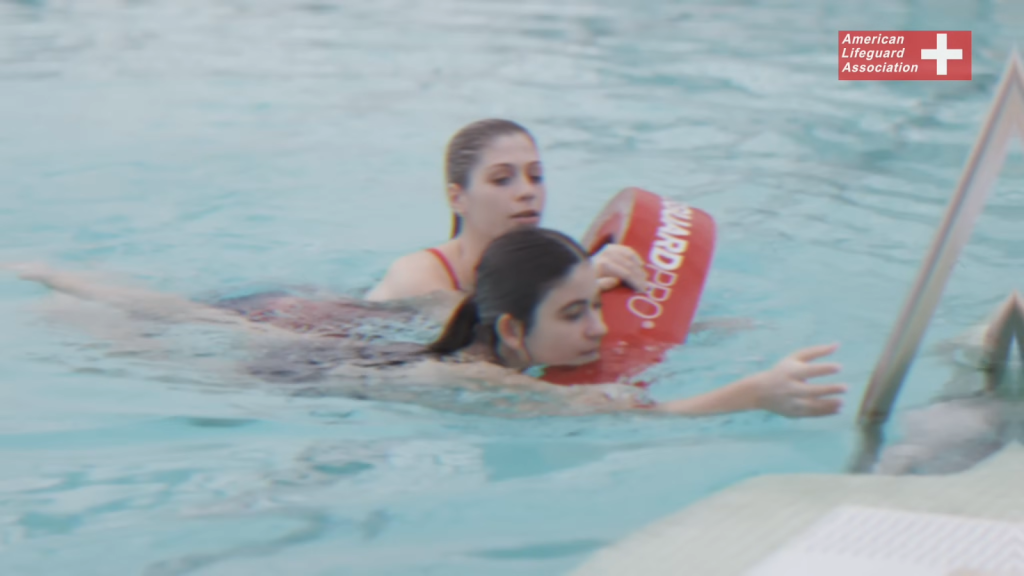
Public swimming pools are important community assets in many cities and villages nationwide, not only as leisure centers. Pools have several functions, from giving kids a secure environment to learn to swim to advancing public health and creating job possibilities. But lately, a frightening number of public swimming pools have been in jeopardy of shutting down. Although ageing infrastructure and budgetary deficits are among the main offenders, one urgent and sometimes underappreciated problem is the escalating lack of lifeguards.
Local people are stepping up as cities work to keep their pools open—a strong trend is developing. Communities are now at the forefront of the fight to keep pools open via grassroots initiatives, funding, and—most crucially—advocacy of lifeguard education and certification. The crucial role that community initiatives play in fighting pool closures is discussed in this piece, which also underlines the need for active assistance for lifeguard growth.
The Need for Community Pools
Public swimming pools are a place where you can go with groups from schools and friends. Summer months call for getting out and going to aquatic place. Pools are the perfect places where you get relaxation and fun and it is for everyone; from kids to the elderly people.
Public pools go beyond entertainment; they have a larger social function. By being accessible to all inhabitants irrespective of socioeconomic background, they encourage health and wellness, support water safety education, and advance inclusion. Still, the sustainability of these projects depends more and more on community dedication and participation.
The Lifeguard Problem
Municipalities have found it difficult to staff swimming pools properly during the last few years because of a countrywide lifeguard scarcity. Though the reasons differ—including low salaries, seasonal employment difficulties, and a drop in youth interest—the results are serious. Legally and morally bound to remain closed, pools are legally and ethically obligated to do so even throughout peak summer months without qualified lifeguards on duty.
The lack has drawn attention to how necessary accessible and widely distributed lifeguard training programs are. Some cities have had to shorten pool hours or shut establishments totally since fewer people enrol in certification courses. Apart from taking away from people their much-needed recreational area, this ripple effect raises the likelihood of water-related mishaps when unmonitored options are used.
Community Involvement: The Front Line of Defense
The most efficient counterweight to the lifeguard crisis seems to be communities. Local people frequently take the lead when city budgets come up short or staffing deficits show up. Parents, instructors, past swimmers, and local groups have increased their involvement by organizing lifeguard recruiting campaigns, sponsoring candidates through the lifeguard certification process, and lobbying local governments to spend more on aquatic projects.
Many communities have begun providing sponsored or free lifeguard training courses at neighborhood centers and schools, hence simplifying young adults’ ability to acquire the required skills. Fundraising initiatives have also assisted in covering certification costs for aspiring lifeguards, therefore making it financially feasible for more people to aspire to the position.
As a Community Plan: Lifeguard training
The community’s emphasis on lifeguard instruction is not just a temporary remedy; it is a long-term plan. Communities may establish a regular supply of qualified lifeguards by encouraging local participation in training programs. To spark early interest, high school swim teams, leisure clubs, and nearby swim academies have started integrating lifeguard skills into their programs.
Certain areas have even created mentoring programs in which experienced lifeguards mentor and prepare the next generation. This peer-led strategy not only tightens the link between local young people but also gives a sense of purpose and pride in giving back to their communities.
Advocacy at The Local Level And Policy Transformation
Furthermore, becoming a key weapon in the fight to maintain functioning pools is advocacy campaigns. The important function lifeguards have in public safety has been highlighted via community-led petitions, social media campaigns, and town hall sessions. Better salaries for lifeguards, more accessible lifeguard certification courses, and more money have all been effectively lobbied by local people.
These initiatives have encouraged several local governments to rethink budget priorities and allocate more funds for aquatic services. Communities have made strong arguments by emphasizing how closures impact children, the elderly, and underrepresented groups, and that pools are vital rather than a luxury.
The Economic Ripple Effect
The economic consequences of community-supported pool projects go far beyond safety and leisure. Seasonal employment is made possible by public pools, which also draw visitors for summer events and help small companies, including swimsuit stores and food merchants. A fully staffed pool, kept by a strong crew of certified lifeguards, may become an economic motor in itself.
Communities are helping to create jobs and guarantee the operating viability of their pools by means of lifeguard training. Those who have completed training find themselves in a strong position for employment—locally and beyond—as the need for certified professionals keeps increasing.
Encouraging a Culture of Accountability
One of the amazing results of community-based initiatives is the cultural change toward shared responsibility. People who view their pool as “theirs” are more likely to support its maintenance and lifespan. New volunteer efforts, neighborhood watch programs for pool safety, and even student-led safety audits to guarantee adherence to water safety guidelines have all been motivated by this.
Many lifeguards say that knowing their neighborhood helped them become certified gives them a greater sense of responsibility; this caring culture, therefore, applies to them as well. Rather than regarding the position as a summer job, they welcome it as a civic obligation—an attitude that greatly improves the quality and consistency of supervision at public pools.
Looking Ahead: Creating Resiliency Through Certification
Communities have to keep investing in lifeguard certification programs to guarantee that pools stay open and flourishing for the following generations. Long-term solutions comprise integrating certification into school syllabuses, establishing public-private collaborations to help cover training expenses, and creating flexible learning modules to fit the hectic schedules of part-time employees and students.
Training delivery innovation—hybrid courses combining in-person skill evaluations with internet learning—is making lifeguard training more reachable than ever. Communities that accept these models are better suited to keep safe and functioning pools even in the face of persistent staffing difficulties.
The Part the American Lifeguard Association plays
National groups like the American Lifeguard Association are helping to drive these local initiatives. The Association gives communities dependable routes to produce competent workers by means of thorough lifeguard training and lifeguard certification programs. Their adaptable, nationally recognized courses help people from all backgrounds get the credentials needed to be lifeguards.
The Association’s dedication to public safety, quality training, and community support exactly fits with the general goal to keep pools open and available. The objective of guaranteeing every pool has a qualified lifeguard on duty becomes more realistic as more neighborhoods partner with companies like the American Lifeguard Association.
Final Word: A Common Devotion to Public Safety
Although public pools have genuine obstacles, solutions are accessible and begin with the neighborhood. Local initiatives are having a clear impact, ranging from raising awareness to assisting with lifeguard certification. Communities are not just avoiding pool closures but also creating safer, healthier surroundings for everyone via cooperation, imagination, and a common sense of purpose.
Every lifeguard trained and certified on this shared path is a success for the resilient community spirit as well as for public safety.
Title: Standing Strong Together: How Communities Safeguard Public Pools
Focus Keyword: lifeguard training
Meta Description:Many communities have begun providing sponsored or free lifeguard training courses at neighborhood centers and schools, hence simplifying young adults’ ability to acquire the required skills.
Publish this site:https://theirishmirror.com/