

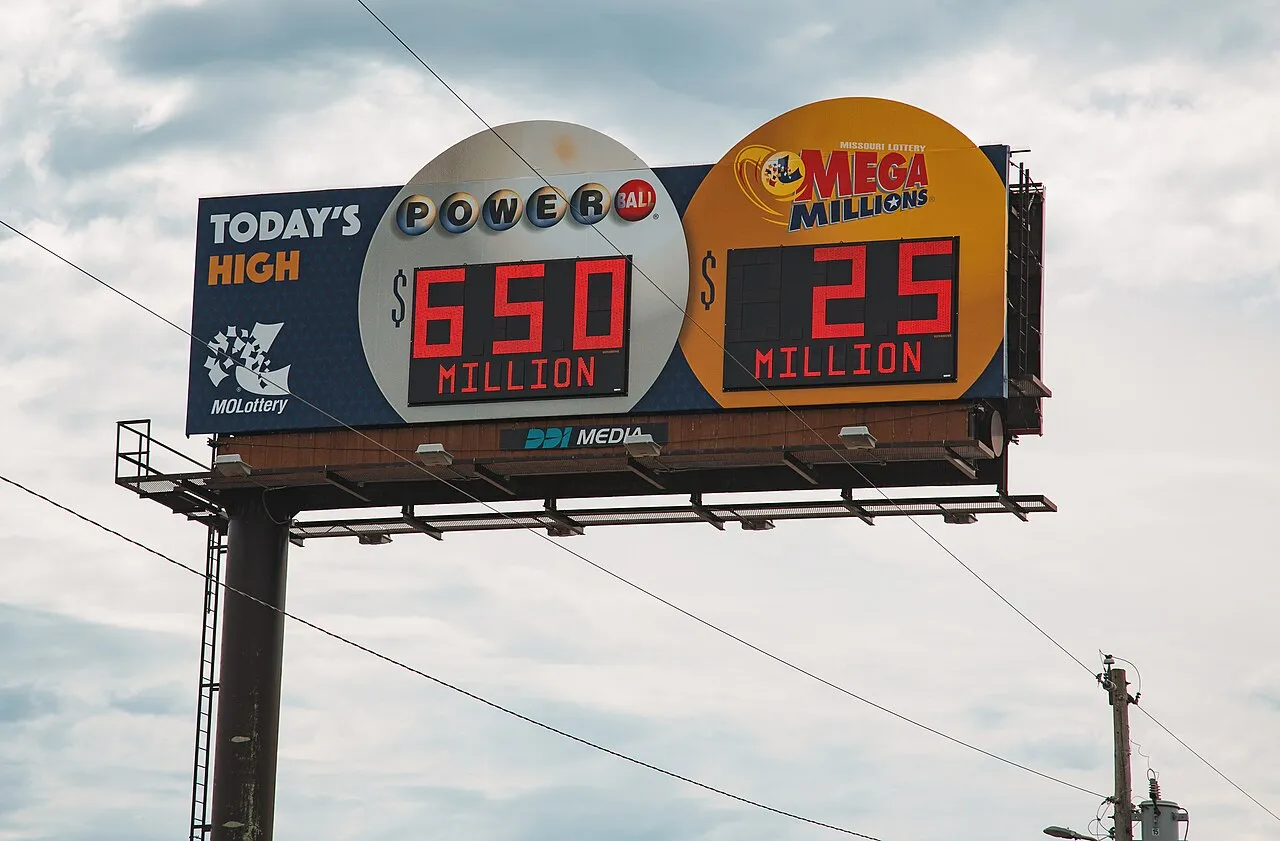

By the time the balls dropped on Wednesday, October 14, the Powerball jackpot had climbed to an estimated $562 million, one of the largest prizes of the year. With another draw following on Saturday, October 17, millions of ticket holders are asking the same two questions: how does a jackpot get this big, and just how unlikely is it to win?
How a jackpot rolls up to $562 million
Powerball jackpots do not start anywhere near half a billion dollars. The prize begins at $20 million and grows every time a draw passes without a ticket matching all five white balls and the red Powerball. Each rollover adds millions more, funded by ticket sales across the 45 states, Washington DC, Puerto Rico and the US Virgin Islands where the game is played. The longer the run without a winner, the more tickets are sold, and the faster the prize snowballs. It is a feedback loop: a bigger headline number sells more tickets, and more tickets push the number higher still.
The odds, in plain English
The odds of winning the Powerball jackpot are 1 in 292,201,338. To picture that, imagine every adult in the United States buying one ticket with a unique combination of numbers. Even then, there would be combinations left over. You are far more likely to be struck by lightning in your lifetime than to hold the winning ticket. The overall odds of winning any prize at all are much friendlier, at about 1 in 24.9, but most of those prizes are small: matching only the Powerball wins $4, and matching three white balls wins $7.
None of this stops people playing, and game officials are open about why. For $2, a ticket buys a few days of daydreaming. The problems start when players treat that daydream as a financial plan, spending money they need on extra tickets in the belief that a win is somehow due. Statisticians are blunt on this point: every combination has exactly the same chance in every draw, and buying 100 tickets improves your odds only to 100 in 292 million.
Annuity or cash: the first big decision
A jackpot winner does not simply receive $562 million. The advertised figure is the annuity option: a first payment followed by 29 annual payments that rise by 5 per cent a year, paid over 30 years. Most winners instead choose the cash option, a single lump sum equal to the money actually in the prize pool, which for a jackpot of this size is roughly half the headline figure. Financial advisers generally note that the right choice depends on age, discipline and tax planning, and that anyone facing this decision should assemble a lawyer, an accountant and a financial planner before claiming.
Then comes the tax bill
Lottery winnings are taxed as ordinary income in the United States. A federal withholding of 24 per cent is applied before payment, and because a jackpot of this size lands squarely in the top federal bracket of 37 per cent, more is usually owed at tax time. State taxes vary widely: some states take nothing on lottery prizes, while others take a significant slice. The full rules, draw results and prize breakdowns are published by the game itself at powerball.com.
A note on the smaller print
Two optional extras shape what players actually experience. The Power Play feature, for an extra $1, multiplies non-jackpot prizes by up to ten times when a multiplier ball is drawn, which is why some $50,000 prizes quietly become $500,000. And in a handful of states, an additional feature can add a second prize ladder to the same ticket. Neither changes the jackpot odds by a single combination, but both illustrate the game’s design philosophy: frequent, visible smaller wins keep the enormous top prize feeling reachable, even when the arithmetic says otherwise.
For a lighter look at improbable numbers, read how Saturn smashes moon record as 128 new moons are confirmed. And if you play Saturday’s draw, play for the fun of it: pick your numbers, spend only what you can happily lose, and check your ticket twice. Somebody’s odds-defying night has to come eventually, but the maths says it almost certainly will not be yours.