

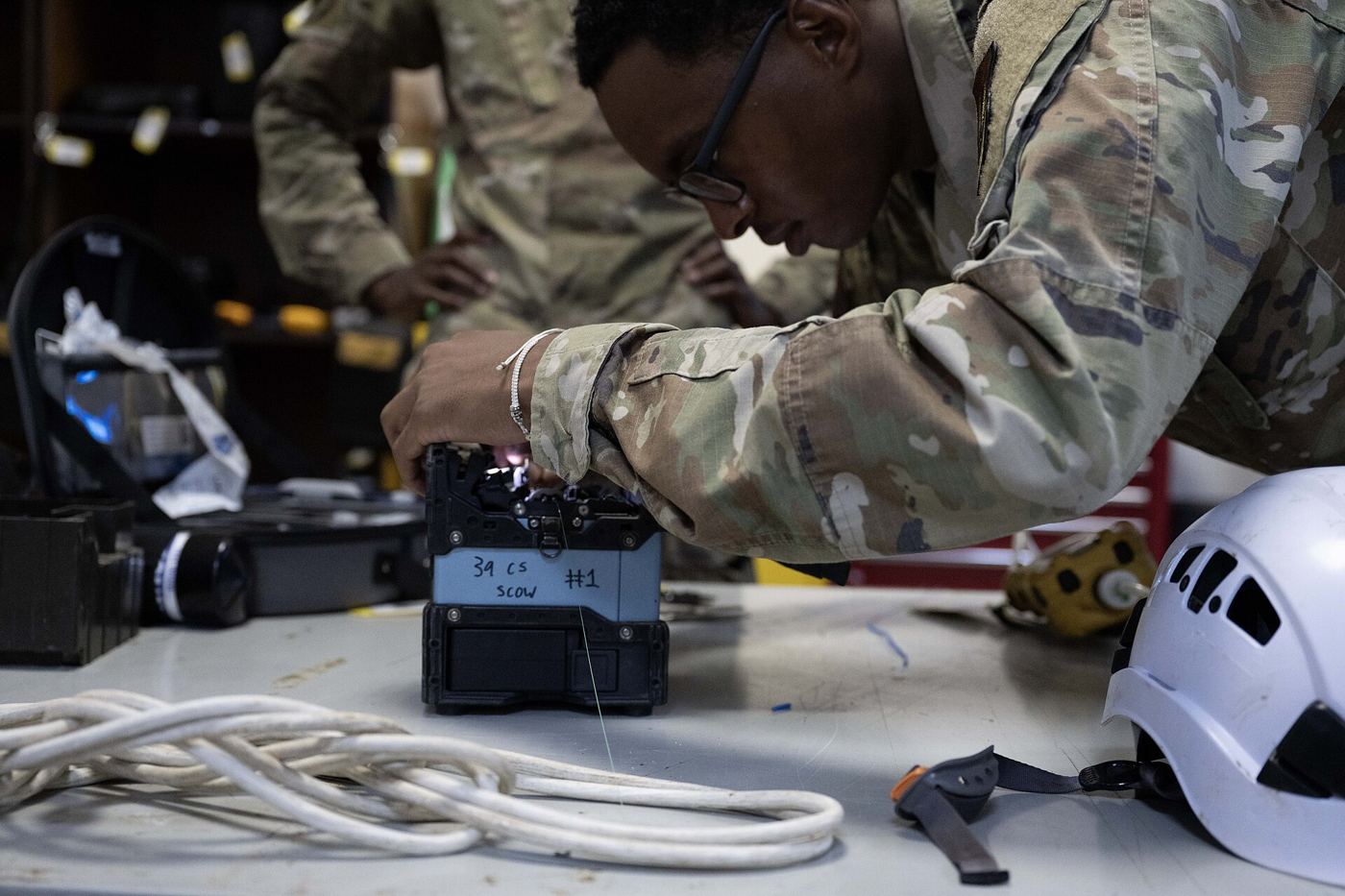

In a growing number of towns, the fibre in the ground and the internet service sold over it belong to different companies. Open access networks separate the two: one operator builds and maintains the physical fibre, and multiple retailers compete to serve customers across it, much as trains from different companies can share a railway. Supporters say the model suits fibre economics, because duplicating street-by-street networks is expensive and disruptive, while competition on price, service and support is where customers actually feel a difference. Small local providers, unable to fund their own build, can reach customers from day one, and community networks use the same wholesale route to serve areas commercial builders skipped. Making it work requires the wholesale operator to be genuinely neutral, offering every retailer the same prices and repair standards, and publishing performance data that keeps it honest. Regulators watching these markets focus on that neutrality, and on ensuring the network owner still earns enough to maintain and upgrade the infrastructure for decades. Early open networks report high take-up, which helps the economics, because households choosing between several real offers are more likely to connect than those facing a single take-it-or-leave-it provider in an area where the build cost per home only pays back with strong adoption.
What the Evidence Shows
The model is not a universal answer. Where two or three physical networks already compete, adding open access rules may add complexity without benefit, and in the sparsest rural areas no model works without public subsidy. Wholesale networks also concentrate risk: an outage or a failing operator affects every retailer at once, so resilience and financial oversight matter. Even so, the separation idea is spreading because it aligns incentives more cleanly than the traditional bundle. The builder profits from a busy, reliable network rather than from locking in customers, and retailers profit from looking after people rather than from owning glass in the ground. For customers, the visible change is modest but welcome: a choice of providers at the door, installation handled once and the freedom to switch service without another trench across the street. As fibre becomes the default utility connection, questions about who owns it and on what terms others may use it move from industry conferences into consumer policy. Open access is one tested answer, and its results in early towns, on prices, take-up and satisfaction, are being studied carefully by every region still deciding how to build its digital foundations. Reporting and analysis from sources such as Wired track the same developments, and specialists following open access fibre networks say the direction is now consistent across independent lines of evidence.
The Wider Context
The wider context is an industry learning to ship capability and restraint together. Products built around open access fibre networks now launch with safety evaluations, usage data and rollback plans as standard, because enterprise buyers and regulators ask for them in the first meeting. Companies that treated those questions as friction are discovering they have become the purchase criteria.
What Happens Next
What happens next for open access fibre networks depends less on another breakthrough than on the unglamorous work of reliability, pricing and support. The buyers evaluating it now are not enthusiasts; they are operators with budgets and auditors, and their checklists will decide the timeline. On the evidence of the current pilots, the technology has earned the right to be judged by them. You can follow related developments in our coverage of technology.
None of this will be settled by a single announcement, study or product launch. The pattern to watch is accumulation: independent confirmations, honest reporting of failures and steady improvement in the underlying numbers. Readers who follow those signals, rather than the loudest claim of the week, will understand this subject better than most of the commentary surrounding it suggests is possible.