

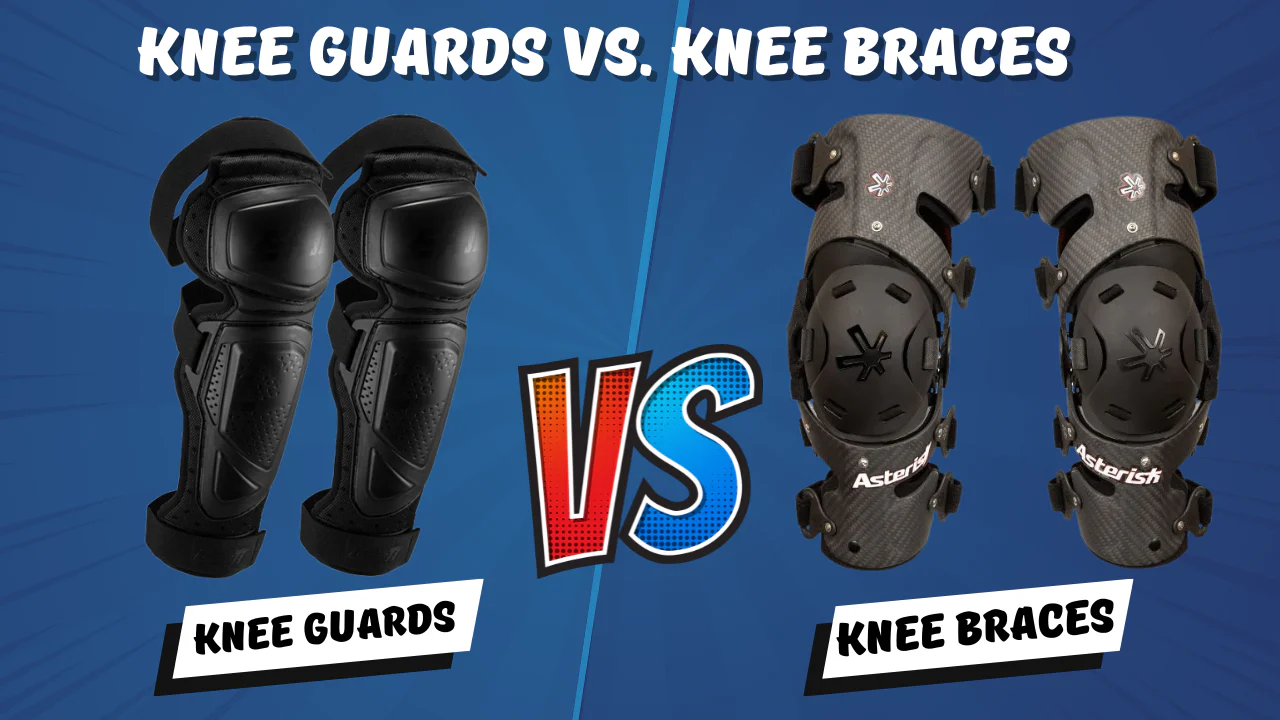

If you have ever stepped into a weightlifting gym or watched a professional athlete prepare for a game, you have seen them: thick, elastic bands wrapped tightly around the knees. Whether it is a professional powerlifter or someone managing a persistent ache with a hinged knee cap, the use of knee support is everywhere.
But there is a lingering question in the fitness community: Do these wraps and supports actually prevent injuries, or are they just a psychological security blanket? To understand the truth, we need to look at how different types of knee support from simple sleeves to a structured hinged knee cap interact with your joints and muscles.
The Mechanics of Knee Wraps
In the world of heavy lifting, knee wraps usually refer to long strips of elastic polyester. These are wrapped tightly around the joint before a heavy squat or leg press.
How They Work
Knee wraps work through stored elastic energy. When you descend into a squat, the wrap stretches. As you stand back up, the wrap wants to return to its original shape, essentially springing you back to a standing position.
Do They Prevent Injury?
The answer is complicated. While they allow you to lift more weight, they don’t necessarily make the joint safer. In fact, because they allow you to lift heavier loads than your muscles and tendons might naturally handle, they can actually increase the risk of injury if used improperly.
- The Benefit: They provide mechanical stability and prevent the knee from caving in under massive pressure.
- The Risk: Tight wraps can create friction between the kneecap and the thigh bone, potentially leading to cartilage wear over time.
Use Compression Sleeves for Daily Activity and Prevention
Compression sleeves work best for general exercise, long walks, gym training, or early-stage knee discomfort. They improve joint awareness and circulation, helping reduce swelling and fatigue during repetitive movement.
The Key Rule: Match the support to the activity, not the pain level. Wearing heavy stabilization gear when it isn’t needed may weaken muscle engagement over time, while insufficient support during high-risk movement can leave the joint vulnerable.
The Role of the Hinged Knee Cap
For the everyday person or the athlete recovering from a specific ligament strain (like an ACL or MCL issue), a hinged knee cap is a very different tool than a lifting wrap.
A hinged knee cap features metal or plastic stays on the sides of the joint. These act like external ligaments. They allow the knee to move forward and backward (flexion and extension) but strictly limit side-to-side movement.
Does it Prevent Injury?
Yes, in specific contexts.
- Lateral Stability: If you have loose ligaments, a hinged support prevents the knee from buckling sideways, a movement that almost always leads to a tear.
- Post-Injury Shielding: For someone returning to sport after a sprain, the hinged knee cap acts as a physical stopgap. It prevents the joint from entering danger zones of movement while the natural tissue is still weak.
- Pain Relief: By stabilizing the tracking of the kneecap, it serves as an excellent knee cap for pain relief, especially for those with arthritis or patellar tendonitis.
The Everyday Knee Support
The most common form of knee support seen in India and across the globe is the simple compression sleeve. These don’t have hinges or thick elastic straps.
Do They Prevent Injury?
They prevent micro-injuries rather than major trauma.
- Warmth: By keeping the synovial fluid (the joint’s natural oil) warm, the compression sleeves for every day use ensure the knee is always lubricated and ready for movement.
- Proprioception: This is the most scientifically backed benefit. The pressure on the skin tells your brain exactly where your leg is. This leads to better balance and more mindful movement, which naturally prevents trips, slips, and awkward landings.
The Myth of the Invincible Knee
The biggest danger of any knee support is the false sense of security it provides.
If you wear a knee cap for pain relief, you might feel less pain. This often encourages people to run faster or lift heavier than they should. A brace is a support system, not a cure. If your form is poor or your muscles are weak, a piece of neoprene or a metal hinge can only do so much to protect the underlying bone and cartilage.
Which Support Prevents What?
| Type of Support | Best For | Prevention Level |
| Knee Wraps | Maximum Strength/Powerlifting | Low (Mainly for performance) |
| Hinged Knee Cap | Ligament Stability/Post-Op | High (Prevents side-to-side tears) |
| Compression Sleeve | Arthritis/General Exercise | Moderate (Prevents strains/swelling) |
| Knee Cap for Pain Relief | Daily Activity/Walking | Moderate (Prevents inflammation) |
How to Truly Prevent Knee Injuries
If you want to keep your knees healthy for a lifetime, a knee support should be your second line of defense. Your first line of defense is muscular armor.
- Strengthen the Quads and Glutes: These are the shock absorbers for your knees. If they are strong, the knee joint takes very little impact.
- Work on Mobility: Stiff ankles or tight hips force the knee to twist in ways it wasn’t designed for.
- Use Support Strategically: Wear your hinged knee cap during high-risk activities (like a trek or a heavy gym day), but practice moving without it during low-impact times to keep your muscles engaged.
Wrapping Up
Do knee wraps and supports prevent injuries? Yes, but with conditions. They are excellent at providing stability, reducing pain, and keeping the joint warm. A hinged knee brace is a vital tool for preventing lateral ligament tears, while a standard knee support is great for managing daily wear and tear. However, they cannot replace the need for strong muscles and proper movement mechanics.
Think of knee support as a seatbelt. It is a vital safety feature that can save you in a crash, but it doesn’t mean you should drive recklessly. Use the support to stay active, but keep doing the work to make your body strong from the inside out.