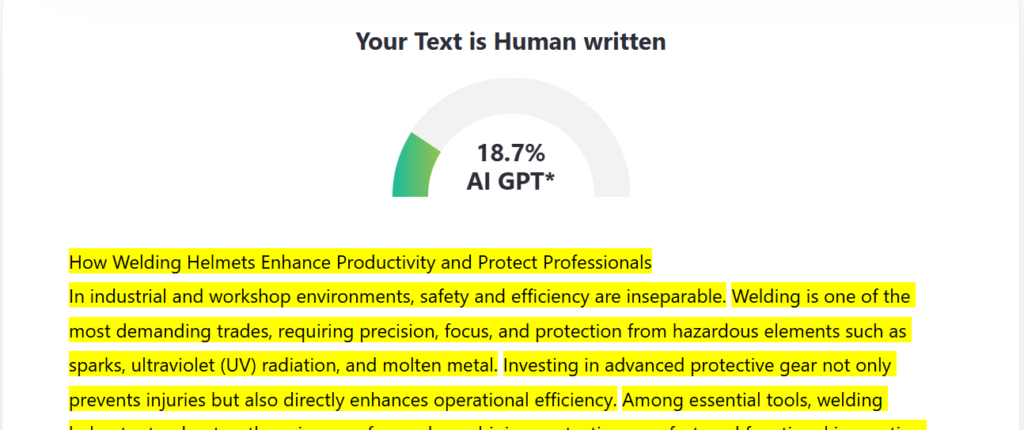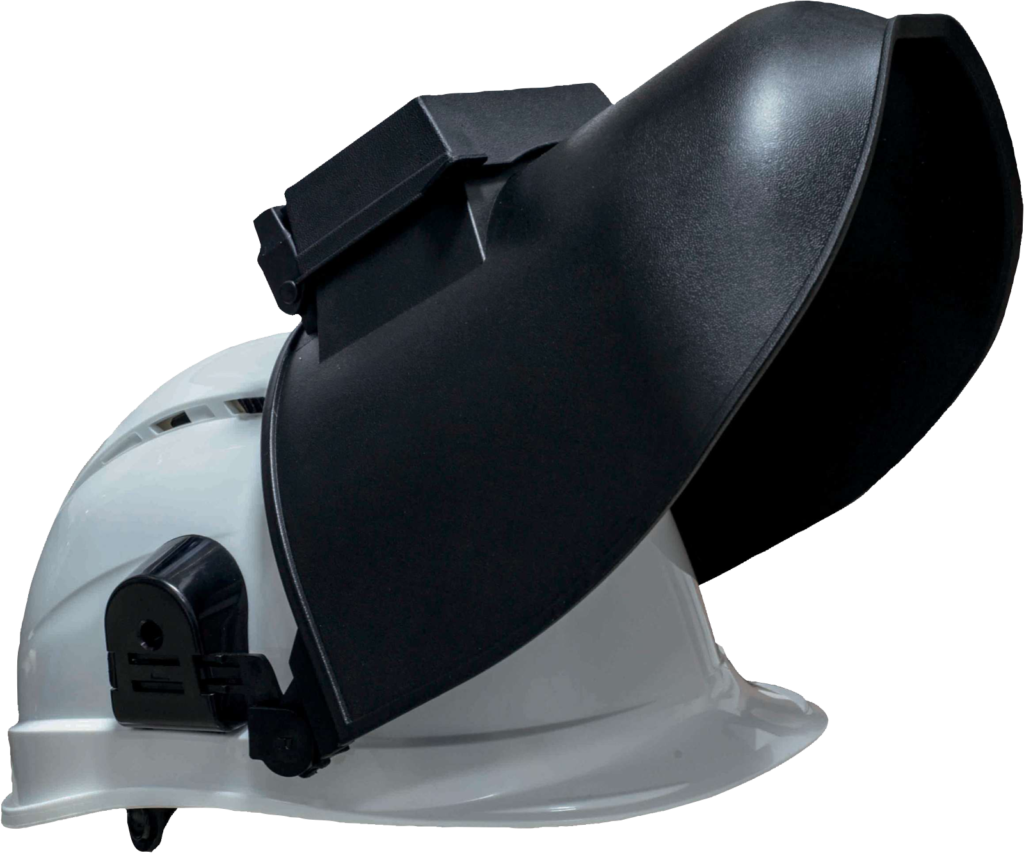
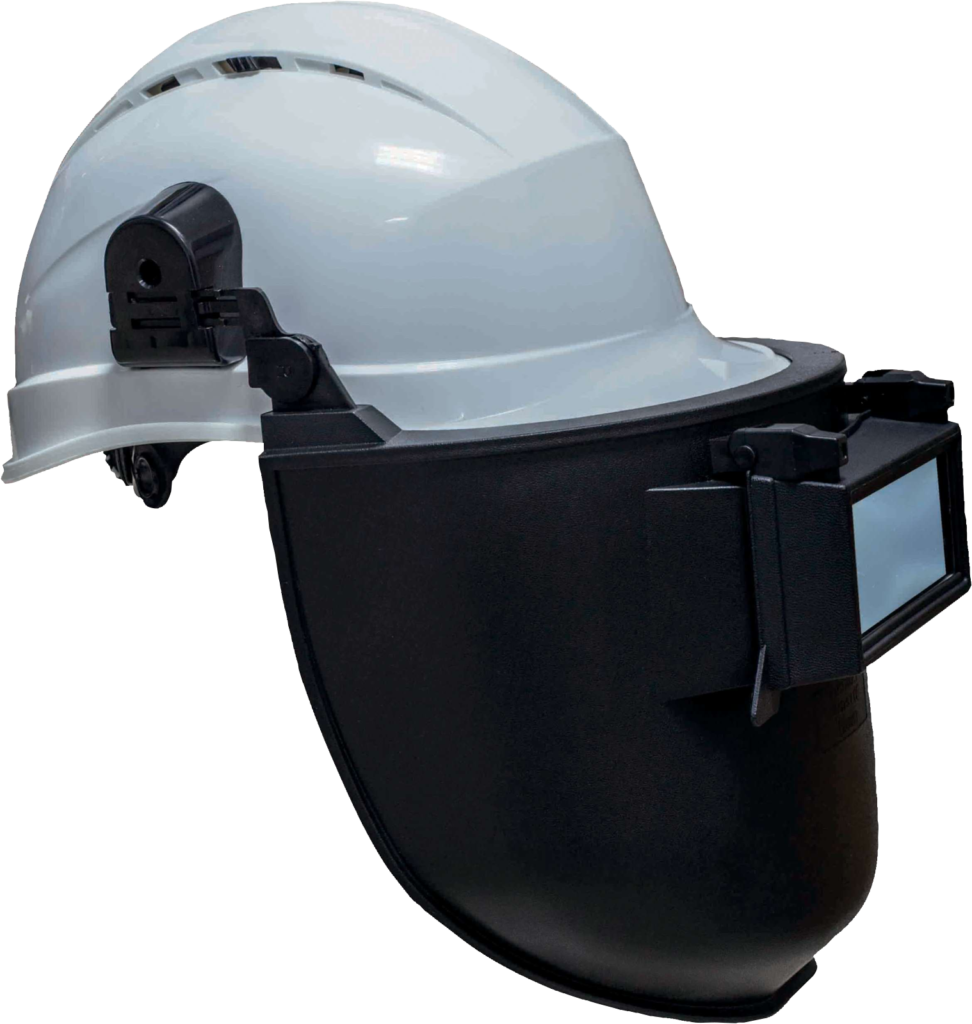
In industrial and workshop environments, safety and efficiency are inseparable. Welding is one of the most demanding trades, requiring precision, focus, and protection from hazardous elements such as sparks, ultraviolet (UV) radiation, and molten metal. Investing in advanced protective gear not only prevents injuries but also directly enhances operational efficiency. Among essential tools, welding helmets stand out as the primary safeguard, combining protection, comfort, and functional innovation.
By understanding their benefits and capabilities, welders and workshop managers can ensure a safer, more productive environment while maintaining high standards of quality with advanced helmets.
Fundamental Safety-Inspiring Designs
All these protective features create a safe working environment, which enables the welders to do quality work without jeopardizing their own safety.
- UV and Infrared Protection
All professional welders are at risk of being exposed to the destructive UV and IR radiation. New helmets are built using special lenses that prevent the harmful radiations protecting the eyes and facial skin. With long exposure, there is a risk of severe eye trauma and permanent vision impairment, and hence, this protective layer is essential.
- Impact and Debris Resistance
The flying metal pieces and sparks are usual during the welding programs. The high-quality helmets are made of impact-resistant and sturdy materials that ensure no injury results when struck by debris, yet it maintains its structural integrity. This makes sure that professionals are safe even in high-intensity situations.
- Auto-Darkening Technology
Auto-darkening glasses react to the welding arc immediately and change shade to the best levels. This technology will eliminate eye strain, a situation where one has to continuously take off and reposition the helmet, and also enable the welders to have a clear view of the working area, so as to give the best and most accurate outcomes.
- Ergo Design Long Wearability
The modern helmets are made in such a way that they balance the weight of the wearer across the head, limiting the strain that the wearer is subjected to during long shifts. Adaptable head protection and padding cushions can make working easier, and professionals can work without distraction due to pain or exhaustion.
Improving Productivity by Visibility and Precision
Wearing a helmet, which considers visibility, is not only a way of keeping safe, but also a plan towards efficiency and productivity in the professional welding work using reliable welding helmets.
- Clear Viewing Area of Accurate Work
This has a wide, clear area of view that gives a clear view to welders of the working area. Good quality helmets minimize distortion and contraction to enable the professionals to notice minute details at seams, weld beads, and joints.
- Less Interrupted Work
Welders are able to work more with auto-darkening and anti-fog lenses since they do not have to stop their work to change their equipment. This continuous process can be highly efficient especially when working on projects that are complex or time sensitive.
- Adjustable Shade Levels
The darkening of the lenses is needed in varying degrees in different welding methods. The contemporary helmets enable their users to adjust the shade depending on how they are going to do the welding, so that they have the best visibility and they are likely to make fewer errors.
- Reducing Eye Strain and Fatigue
Helmets reduce eye strain, headaches, and fatigue by keeping the lighting to the optimal level and lessening the glare. Professionals are also able to work longer without affecting accuracy or comfort, and the efficiency and quality of their work is increased.
Comfort and Ergonomics: Physical Strain Reduction
Comfort in terms of ergonomic design is directly related to continuous productivity, less fatigue, and improved job performance as a whole.
- Light Material
These helmets that are made out of lightweight composites will make it easier to strain the neck and shoulders. The practitioners are able to sit in a proper position longer without experiencing any pains which promotes their productivity, besides musculoskeletal health in the long run.
- Adjustable Fit Systems
The current generation of helmets is designed to be able to fit different head sizes and structures with adjustable headgear. Such an individual fit guarantees that one feels stable even during dynamic motions and does not have to make frequent adjustments in the middle of the process.
- Air Circulation
Welding produces heat, and covered helmets may be inconvenient when not circulated with air. In-built ventilation will help increase the circulation of the air and minimize heat and sweat build-up that will increase comfort and focus.
- Cushioned Headbands and Padding
Padding over contact areas keeps the pressure points and pain away. Ergonomic headbands ensure that the weight is distributed evenly, and professionals can concentrate on their profession rather than on their pain.
Efficiency as a Result of Technological Advancements
These innovations transform the helmet from a mere protective gear into a very necessary productivity device.
- Intelligent Auto-Darkening Sensors
Innovative helmets have improved a number of sensors that sense the intensity of arcs at various angles. This allows uniform shading in any welding position, giving a higher degree of precision and safety.
- Integrated Magnification and Optics
Selected helmets have a magnifying lens or magnifying optics, which enables the professionals to have fine welds made with precision. It comes in handy, particularly in the complex work done in aerospace, automotive, or custom fabrication.
- Digital Displays and Connections
The new generation of helmets is going to provide digital displays of the lens performance, exposure time, and arc quality in real-time. Even some of them permit sharing data across teams, improving workflow and collaboration.
- Maximum Scratch and Anti-Fog
The durability of high-tech materials and coatings increases scratch protection and anti-fog property, thereby saving on maintenance and increasing the life cycle of use. Workers use less time attending to any equipment and more hours working effectively.
Conclusion
The correct welding helmets are not only safety gears, but productivity boosters that ensure the safety of the professionals, and allow them to perform precise and efficient work. The contemporary designs incorporate comfort, high-tech optics, auto-darkening, as well as ergonomic designs that enable the welders to carry out high-quality jobs without risk or exhaustion.
For those in search of the highest-level equipment that ensures that safety and productivity are optimum to the maximum, the search for reliable suppliers such as Delta Plus will allow access to the high-performance helmets that address the modern-day metalwork requirements. Making welding gears safer and smarter is an efficient decision that invests in the efficiency, precision, and professional welfare in the long-term.