

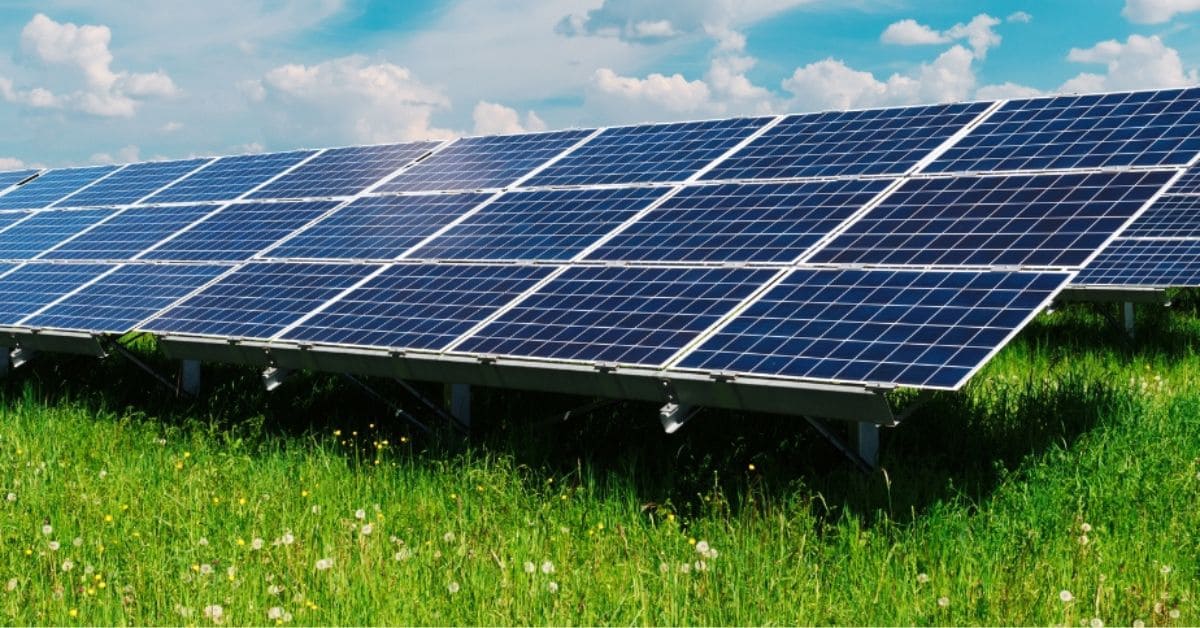

The journey of solar power technology has been a remarkable one, marked by significant milestones that have transformed it from a nascent concept into a viable energy source. The roots of solar energy can be traced back to the 19th century when French physicist Alexandre Edmond Becquerel discovered the photovoltaic effect in 1839. This phenomenon, where certain materials generate electric current when exposed to sunlight, laid the groundwork for future advancements.
However, it wasn’t until the mid-20th century that solar technology began to gain traction, primarily due to the development of the first practical photovoltaic (PV) cell by Bell Labs in 1954. This silicon-based cell, which converted sunlight into electricity with an efficiency of around 6%, marked a pivotal moment in the history of renewable energy. As the decades progressed, solar technology underwent significant improvements in efficiency and cost-effectiveness.
The 1970s energy crisis spurred interest in alternative energy sources, leading to increased funding for solar research and development. By the 1980s, advancements in materials science and manufacturing processes allowed for the production of more efficient solar cells, with efficiencies reaching over 15%. The introduction of thin-film technologies in the 1990s further diversified the solar market, enabling the production of lighter and more flexible panels.
This evolution continued into the 21st century, where innovations such as bifacial solar panels and multi-junction cells have pushed efficiencies beyond 25%, making solar power a competitive player in the global energy market.
The Role of Photovoltaic Cells in Solar Power
Photovoltaic cells are at the heart of solar power technology, serving as the primary mechanism for converting sunlight into usable electricity. These cells are composed of semiconductor materials, typically silicon, which absorb photons from sunlight and release electrons. This process generates a flow of electric current, which can be harnessed for various applications, from powering homes to feeding electricity into the grid.
The efficiency of photovoltaic cells is crucial, states a Shoalhaven solar installer. It determines how much sunlight can be converted into electricity. Factors such as temperature, angle of sunlight incidence, and shading can significantly impact their performance. The design and composition of photovoltaic cells have evolved significantly over time.
Traditional monocrystalline silicon cells are known for their high efficiency and longevity but come with a higher production cost. In contrast, polycrystalline cells offer a more cost-effective solution with slightly lower efficiency. Emerging technologies like perovskite solar cells are gaining attention due to their potential for high efficiency at lower manufacturing costs.
These cells can be produced using simpler processes and materials, making them an attractive option for future solar applications. As research continues to advance, the role of photovoltaic cells remains central to enhancing solar power’s viability as a mainstream energy source.
Innovations in Solar Panel Design
The design of solar panels has seen remarkable innovations aimed at improving efficiency, aesthetics, and integration into various environments. One notable advancement is the development of bifacial solar panels, which capture sunlight on both sides of the panel. This design allows for increased energy generation by utilizing reflected light from surfaces such as rooftops or ground installations.
Bifacial panels can achieve up to 30% more energy output compared to traditional monofacial panels, making them an attractive option for large-scale solar farms. Another significant innovation is the integration of building-integrated photovoltaics (BIPV). These systems seamlessly incorporate solar technology into building materials, such as windows and facades, allowing structures to generate electricity without compromising aesthetics.
For instance, companies have developed solar shingles that mimic traditional roofing materials while providing energy generation capabilities. This approach not only enhances the visual appeal of buildings but also maximizes land use by integrating energy generation into existing structures. As urban areas continue to grow, such innovations will play a crucial role in meeting energy demands while minimizing environmental impact.
The Integration of Energy Storage in Solar Power Systems
Energy storage has become an essential component of modern solar power systems, addressing one of the primary challenges associated with solar energy: its intermittent nature. Solar panels generate electricity only when exposed to sunlight, which means that without adequate storage solutions, excess energy produced during peak sunlight hours cannot be utilized during periods of low or no sunlight.
From Adelaide to Bassendean WA to everywhere in between, battery storage systems have emerged as a solution to this challenge, allowing homeowners and businesses to store surplus energy for later use.
Lithium-ion batteries have gained prominence in this space due to their high energy density and declining costs. These batteries can store significant amounts of energy generated by solar panels, enabling users to draw on this stored energy during nighttime or cloudy days. Additionally, advancements in battery technology are leading to longer lifespans and faster charging capabilities.
Beyond lithium-ion solutions, other technologies such as flow batteries and solid-state batteries are being explored for their potential advantages in scalability and safety. The integration of energy storage not only enhances the reliability of solar power systems but also contributes to grid stability by allowing for demand response strategies and peak shaving.
The Impact of Artificial Intelligence on Solar Power Efficiency
Artificial intelligence (AI) is revolutionizing various industries, and solar power is no exception. AI technologies are being employed to optimize solar energy generation and improve system performance through predictive analytics and machine learning algorithms. By analyzing vast amounts of data from weather patterns, historical performance metrics, and real-time system conditions, AI can forecast energy production more accurately than traditional methods.
This capability allows operators to make informed decisions regarding energy dispatch and storage management. Moreover, AI-driven maintenance solutions are enhancing the operational efficiency of solar power systems. Predictive maintenance algorithms can identify potential issues before they lead to system failures, reducing downtime and maintenance costs.
For instance, AI can analyze data from sensors installed on solar panels to detect anomalies such as shading or dirt accumulation that may hinder performance. By addressing these issues proactively, operators can ensure optimal energy output and extend the lifespan of their solar assets. As AI continues to evolve, its integration into solar power systems will likely lead to even greater efficiencies and cost savings.
The Future of Solar Power Technology: Emerging Trends and Developments
Looking ahead, several emerging trends and developments are poised to shape the future of solar power technology. One significant trend is the increasing focus on sustainability throughout the entire lifecycle of solar products. Manufacturers are exploring ways to reduce waste during production and improve recyclability at the end of a panel’s life cycle.
Innovations in materials science are leading to the development of eco-friendly alternatives that minimize environmental impact while maintaining performance standards. Another promising development is the rise of decentralized energy systems facilitated by advancements in blockchain technology. These systems enable peer-to-peer energy trading among consumers with solar installations, allowing individuals to buy and sell excess energy directly within their communities.
This decentralized approach not only empowers consumers but also enhances grid resilience by distributing energy generation across multiple sources. Furthermore, as global demand for clean energy continues to rise, investment in research and development will likely accelerate breakthroughs in solar technology. From advanced materials that enhance efficiency to novel applications such as agrivoltaics—where solar panels are integrated with agricultural practices—innovation will remain at the forefront of the solar industry’s evolution.
In summary, the evolution of solar power technology has been characterized by significant advancements in photovoltaic cells, panel design innovations, energy storage integration, AI applications, and emerging trends that promise a sustainable future for this renewable energy source. As these developments unfold, they will play a crucial role in addressing global energy challenges while contributing to a cleaner environment.