

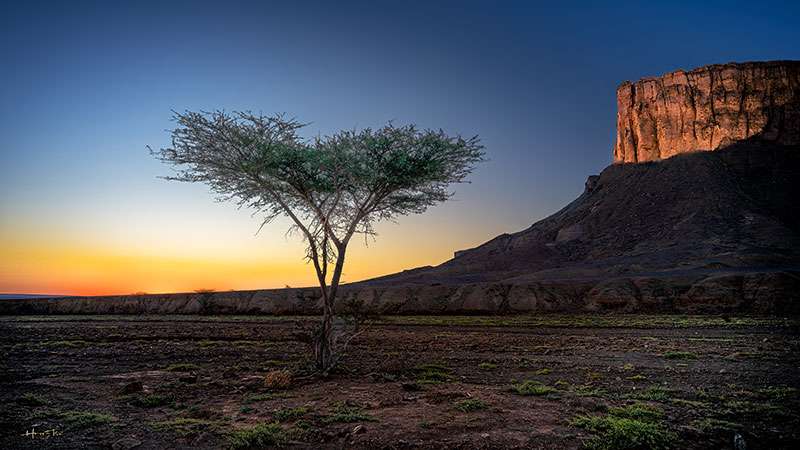

The magic of seeing the sun go down over the endless dunes of the Sahara Desert is hard to find elsewhere. In Morocco, this moment is not just a fleeting visual treat—it is a spiritual journey into the heart of nature’s grandeur. As the golden light spills across rippling sand dunes and the wind whispers tales of ancient caravans, travelers are drawn into a timeless landscape where silence speaks volumes.
The Allure of the Sahara Desert
The Sahara Desert stretches across North Africa, but Morocco’s section is among the most accessible and captivating. From the gateway towns of Merzouga and M’Hamid, adventurers set off on camel treks or 4×4 excursions into the rolling dunes, eager to leave the modern world behind. As the terrain shifts from gravel plains to golden waves of sand, the sense of isolation and awe grows.
This vast desert isn’t just barren land—it’s a living, breathing ecosystem. The shifting dunes, locally known as “ergs,” create a landscape that is ever-changing. These sand seas—particularly the famed Erg Chebbi and Erg Chigaga—are prime spots to experience the full drama of a Sahara sunset.
The Sunset Ritual
As night falls, guides take tourists to the tallest hill they can reach. From this spot, you’ll never forget the view. When the sun goes down, it makes long shadows that paint the desert in shades of red, orange, and purple. It feels like the desert is holding its breath as the temperature drops and the wind stops.
There is a deep, almost meditative silence at this moment. Cameras are forgotten. Words fade. Whether alone or in a group, most travelers are unified in stillness, each absorbed in the quiet grandeur of nature’s farewell to the day.
Wildlife of the Dunes: The Majestic Oryx
Though it may appear lifeless at first glance, the Sahara Desert is home to remarkable wildlife, adapted to thrive in harsh conditions. Among the most iconic of these is the oryx—a beautiful, antelope-like creature with long, slender horns and a pale coat that reflects the desert sun.
The oryx is a symbol of resilience and grace, able to survive days without water and travel long distances in search of food. In Moroccan conservation areas and remote Saharan outposts, you may be lucky enough to spot one. Their presence adds a sense of wild enchantment to the already surreal surroundings, a reminder that life in the Sahara endures against all odds.
Desert Camps and Berber Hospitality
Many choose to stay overnight in traditional desert camps, where Berber hosts welcome guests with warm mint tea, music, and stories under a star-drenched sky. These experiences add depth to the journey, offering not just stunning visuals but a cultural connection.
After the sunset, the desert comes alive in a new way. Stars blaze across the heavens in crystal clarity, unhindered by light pollution. The campfire crackles, and the rhythms of Berber drums echo into the night.
A Journey Beyond Travel
Chasing sunsets in the Moroccan Sahara is more than an Instagrammable moment—it is a profound encounter with nature, time, and silence. The Sahara Desert offers a backdrop where the soul can breathe and reflect, and where simple moments—like the sight of an oryx silhouetted against a tangerine sky—linger in memory long after the trip is over.
Whether you’re an adventure seeker, a photographer, or simply someone longing for peace, the Moroccan Sahara holds a kind of magic that speaks to everyone. And in that golden hour, as the sun kisses the dunes goodnight, you’ll understand why chasing sunsets here becomes a memory of a lifetime.