

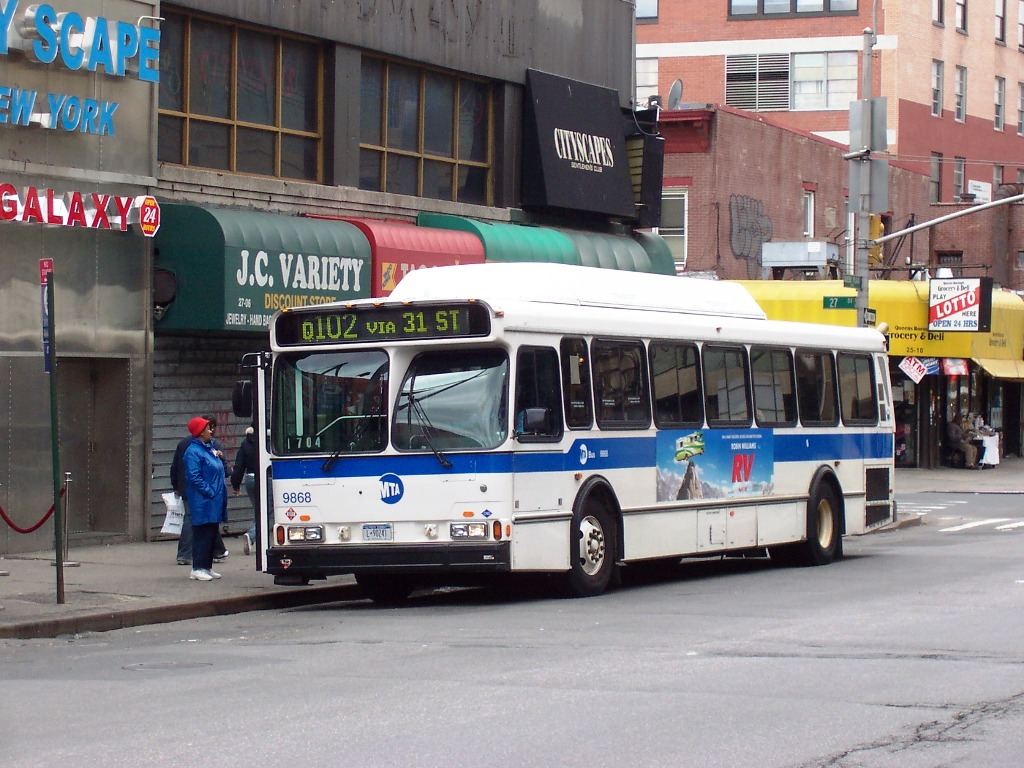

Bus operators in several cities are adding real time crowding information to their travel apps, showing passengers how full the next few buses are before they arrive at the stop. The displays use passenger counting sensors already fitted to many vehicles, combined with ticket machine data, to label each service as having seats available, standing room or very limited space. Transport officials say the aim is to spread demand, because many commuters will happily wait a few minutes for a quieter bus when they know one is following. The information should also help wheelchair users and parents with pushchairs judge whether a particular vehicle can accommodate them comfortably. Operators stress that predictions are indicative rather than guaranteed, since groups boarding at later stops can change the picture quickly. The rollout follows similar features on rail services, which passenger groups have praised for reducing the frustration of watching an overcrowded service arrive without warning. Display screens at major interchanges will show the same guidance for travellers without smartphones. Transport planners hope better information will encourage some car drivers back onto buses by making the experience feel more predictable and manageable overall.
What the Evidence Shows
Regular passengers testing the feature say it has already changed small decisions, such as walking to an earlier stop or choosing a slightly later departure for a less crowded journey. Drivers report fewer difficult conversations at busy stops when passengers can see for themselves that another vehicle is close behind with space. Disability campaigners have welcomed the alerts but want crowding data combined with reliable information about ramps, lifts and priority spaces, which matter more to many travellers than a general fullness label. Data specialists working on the project say accuracy improves as more vehicles report consistently, and they publish reliability figures so the public can judge the service honestly. Some operators plan to use the same data behind the scenes, adding extra buses on corridors where crowding regularly appears at particular times. Passenger watchdogs recommend clear explanations when predictions prove wrong, to maintain trust in the system. If the alerts prove popular, transport authorities expect them to become a standard expectation, much like live arrival times, which were once a novelty and are now considered a basic part of planning any urban journey. Reporting and analysis from sources such as Associated Press track the same developments, and specialists following bus real-time crowding alerts say the direction is now consistent across independent lines of evidence.
The Wider Context
Regional and local reporting on bus real-time crowding alerts often tells a different story from national coverage, because the effects land unevenly: one town’s pilot is another’s distant proposal. Analysts who follow the subject full-time read the local data first, arguing that national averages conceal the variation that decides whether a policy or a project deserves to spread.
What Happens Next
The longer story of bus real-time crowding alerts is still being written by the people closest to it, whose experience rarely matches the earliest predictions of either supporters or critics. Reporting will continue to follow the evidence as it accumulates, including where it complicates today’s account. That is the deal serious coverage makes with its readers, and it holds for this subject as for any other. You can follow related developments in our coverage of news.
It is also worth remembering how quickly the picture in this area has changed before. Positions that looked settled a few years ago have been revised as new data arrived, and the same humility is appropriate now. The strongest coverage of this subject, and the most useful advice, tends to come from sources that update their views openly when the facts move, rather than defending an earlier position long after it has stopped fitting the evidence available.