

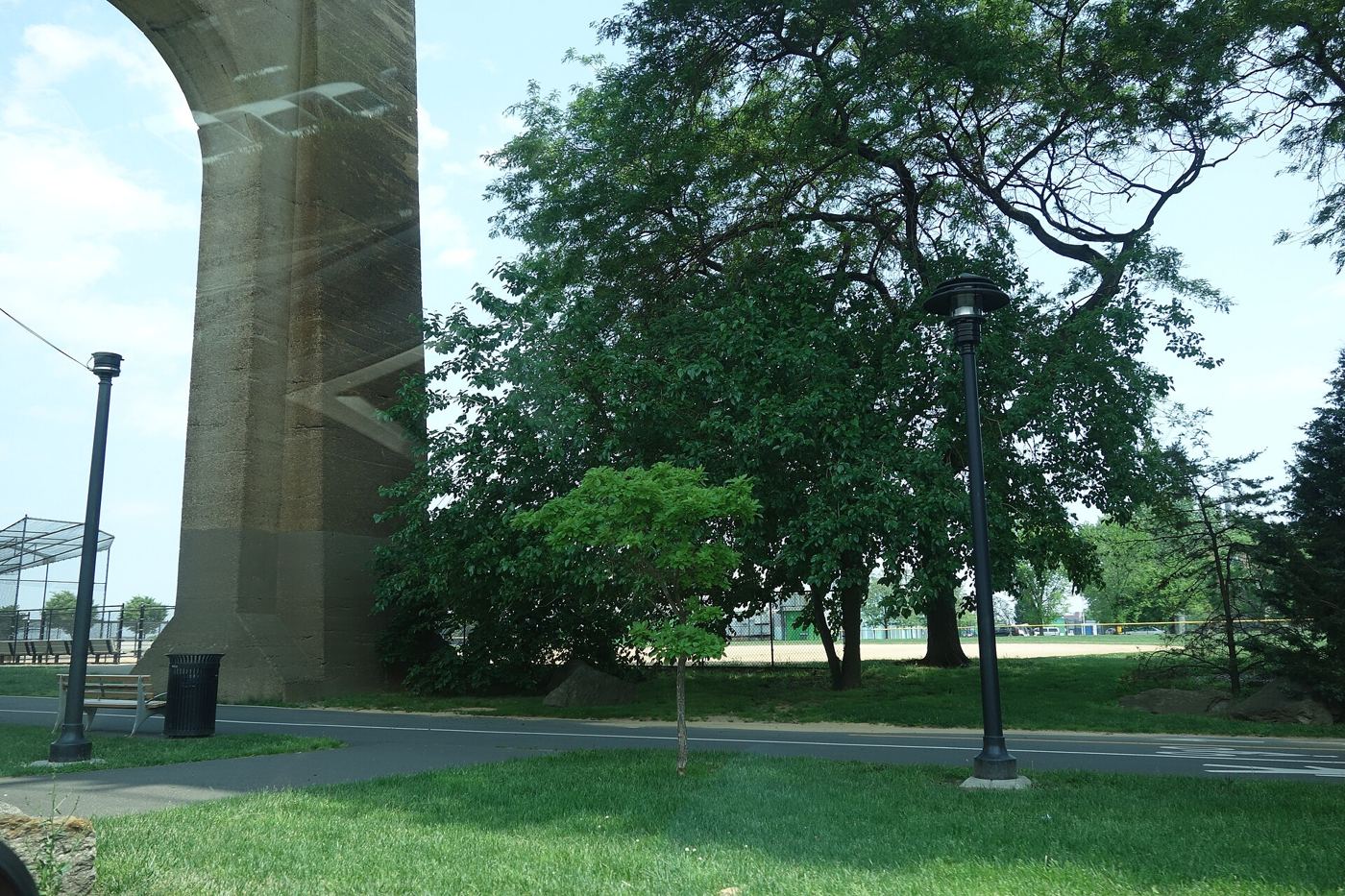

City councils are expanding and resurfacing pathways through popular parks, responding to years of steady growth in walking and cycling that has left older routes crowded and worn. The work widens the busiest paths, separates walkers from faster cyclists where space allows, and repairs surfaces damaged by roots and winter weather. Councils say the aim is not to turn parks into roads, but to make sharing them pleasanter and safer for everyone, from parents with pushchairs and older residents using mobility aids to runners and children learning to ride. New lighting on main routes and clearer signs at entrances are included in several schemes, along with benches placed for rest rather than decoration. Planting is planned alongside the construction, so trees removed for widening are replaced and shaded areas are protected where possible. For newcomers especially, patient explanation and honest discussion of limits are proving just as valuable as any new feature.
What the Evidence Shows
Residents are being consulted on closures while work proceeds, with councils promising that sections will reopen in stages rather than whole parks shutting for months. Local walking groups have broadly supported the schemes, asking mainly that muddy desire lines, the informal shortcuts people actually use, be recognised in designs instead of fenced off and ignored. Park managers also hope better paths will spread visitors more evenly, reducing wear on quieter corners that wildlife depends upon. Funding comes from a mix of transport and public health budgets, reflecting how everyday walking now figures in both. When finished, the improved routes should make the simplest journey of all, a walk through the park, easier for the growing number of people who choose it daily. As adoption widens, maintaining that plain, careful approach may prove to be the most important discipline of all for everyone involved. The next stage will test whether early goodwill survives contact with busier periods, tighter budgets, and the everyday pressures that reveal weak points. Reporting and analysis from sources such as Associated Press track the same developments, and specialists following expanded park pathways for walkers and cyclists say the direction is now consistent across independent lines of evidence.
The Wider Context
Regional and local reporting on expanded park pathways for walkers and cyclists often tells a different story from national coverage, because the effects land unevenly: one town’s pilot is another’s distant proposal. Analysts who follow the subject full-time read the local data first, arguing that national averages conceal the variation that decides whether a policy or a project deserves to spread.
What Happens Next
The longer story of expanded park pathways for walkers and cyclists is still being written by the people closest to it, whose experience rarely matches the earliest predictions of either supporters or critics. Reporting will continue to follow the evidence as it accumulates, including where it complicates today’s account. That is the deal serious coverage makes with its readers, and it holds for this subject as for any other. You can follow related developments in our coverage of news.
It is also worth remembering how quickly the picture in this area has changed before. Positions that looked settled a few years ago have been revised as new data arrived, and the same humility is appropriate now. The strongest coverage of this subject, and the most useful advice, tends to come from sources that update their views openly when the facts move, rather than defending an earlier position long after it has stopped fitting the evidence available.