

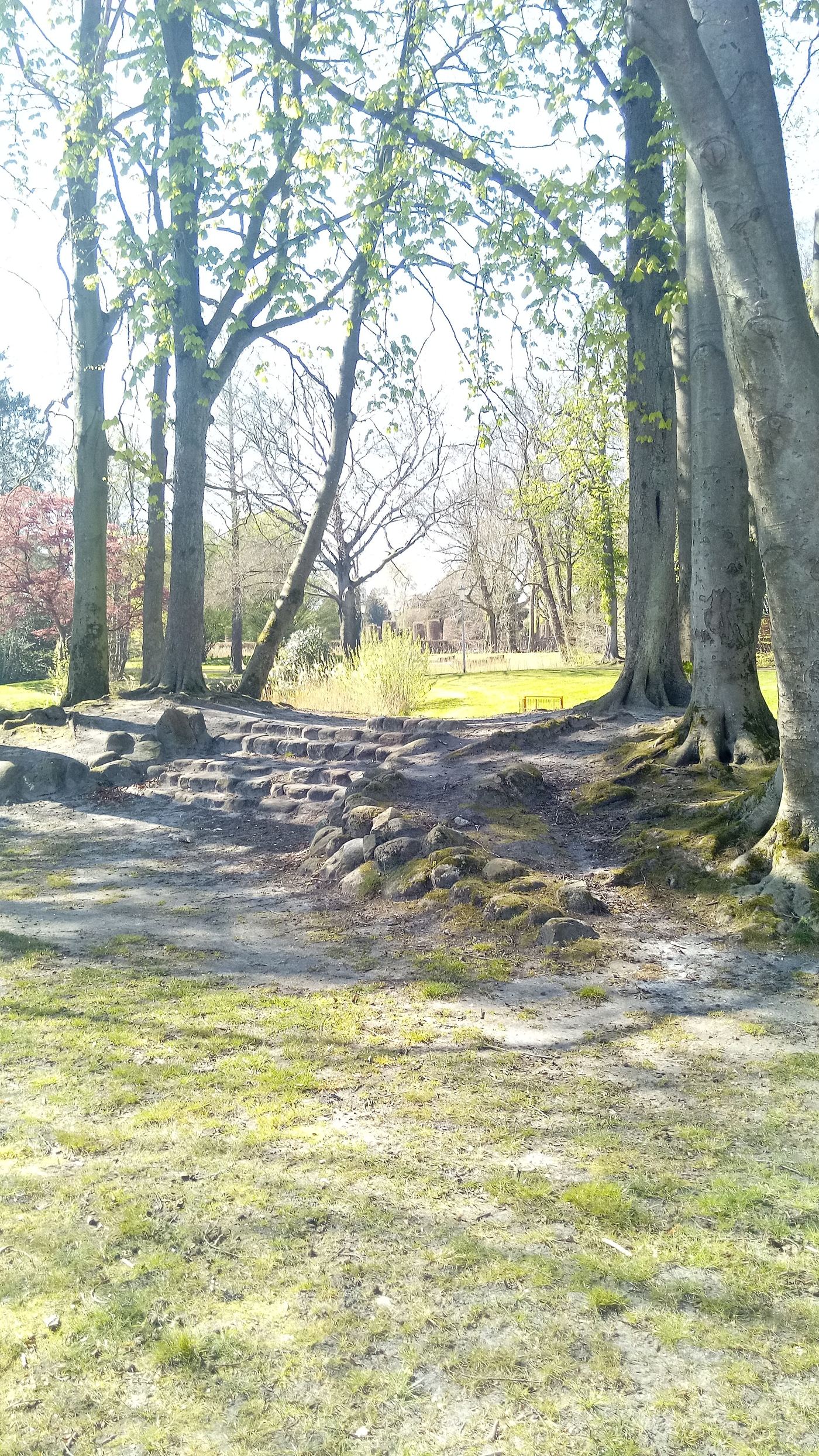

Volunteers have begun planting wetland corners in city parks, turning chronically soggy patches that gardeners once apologised for into shallow planted basins that slow rainwater and shelter wildlife. The idea borrows from flood management engineering and scales it down to a Saturday morning: dig a gentle hollow, plant it with reeds, rushes and moisture-loving flowers, and let it hold water after heavy rain instead of sending it rushing into drains all at once. Parks staff say several suitable sites chose themselves, since they were the places where paths flooded every winter and mowing was a misery. Within weeks of planting, frogs and dragonflies typically find the new water, and birds follow. The schemes are deliberately small and cheap, funded from maintenance budgets rather than capital programmes, which organisers say is their strength: any park friends group with a spade, a planting list and permission can copy the pattern. Schools near two of the first sites have adopted the wetlands for outdoor lessons, monitoring water levels and insect life as part of science classes through the seasons.
What the Evidence Shows
Drainage engineers watching the projects are cautiously pleased. A single park wetland will not stop a serious flood, but dozens of small features across a catchment, holding water back for hours at exactly the moment drains are overwhelmed, add up to a measurable difference downstream. Just as important, the planting survives ordinary neglect better than ornamental beds, because the species chosen are native, tough and happy to be wet. Volunteers are given a realistic picture at the start: the first year looks scruffy, some plants will fail, and the reward is a corner that hums with life by the second summer rather than a tidy instant garden. Parks managers also note a change in how visitors read these spaces. Signs explain that the untidiness is intentional, and complaints about unmown corners have fallen as residents adopt favourite spots and report what they see there. In a period when parks budgets are stretched, the wetlands offer a rare alignment: cheaper to maintain, kinder to wildlife, useful in a storm and, once established, quietly beautiful in a way a drained lawn never manages to be. Reporting and analysis from sources such as Associated Press track the same developments, and specialists following volunteers planting wetland corners in city parks say the direction is now consistent across independent lines of evidence.
The Wider Context
Regional and local reporting on volunteers planting wetland corners in city parks often tells a different story from national coverage, because the effects land unevenly: one town’s pilot is another’s distant proposal. Analysts who follow the subject full-time read the local data first, arguing that national averages conceal the variation that decides whether a policy or a project deserves to spread.
What Happens Next
The longer story of volunteers planting wetland corners in city parks is still being written by the people closest to it, whose experience rarely matches the earliest predictions of either supporters or critics. Reporting will continue to follow the evidence as it accumulates, including where it complicates today’s account. That is the deal serious coverage makes with its readers, and it holds for this subject as for any other. You can follow related developments in our coverage of news.
It is also worth remembering how quickly the picture in this area has changed before. Positions that looked settled a few years ago have been revised as new data arrived, and the same humility is appropriate now. The strongest coverage of this subject, and the most useful advice, tends to come from sources that update their views openly when the facts move, rather than defending an earlier position long after it has stopped fitting the evidence available.