


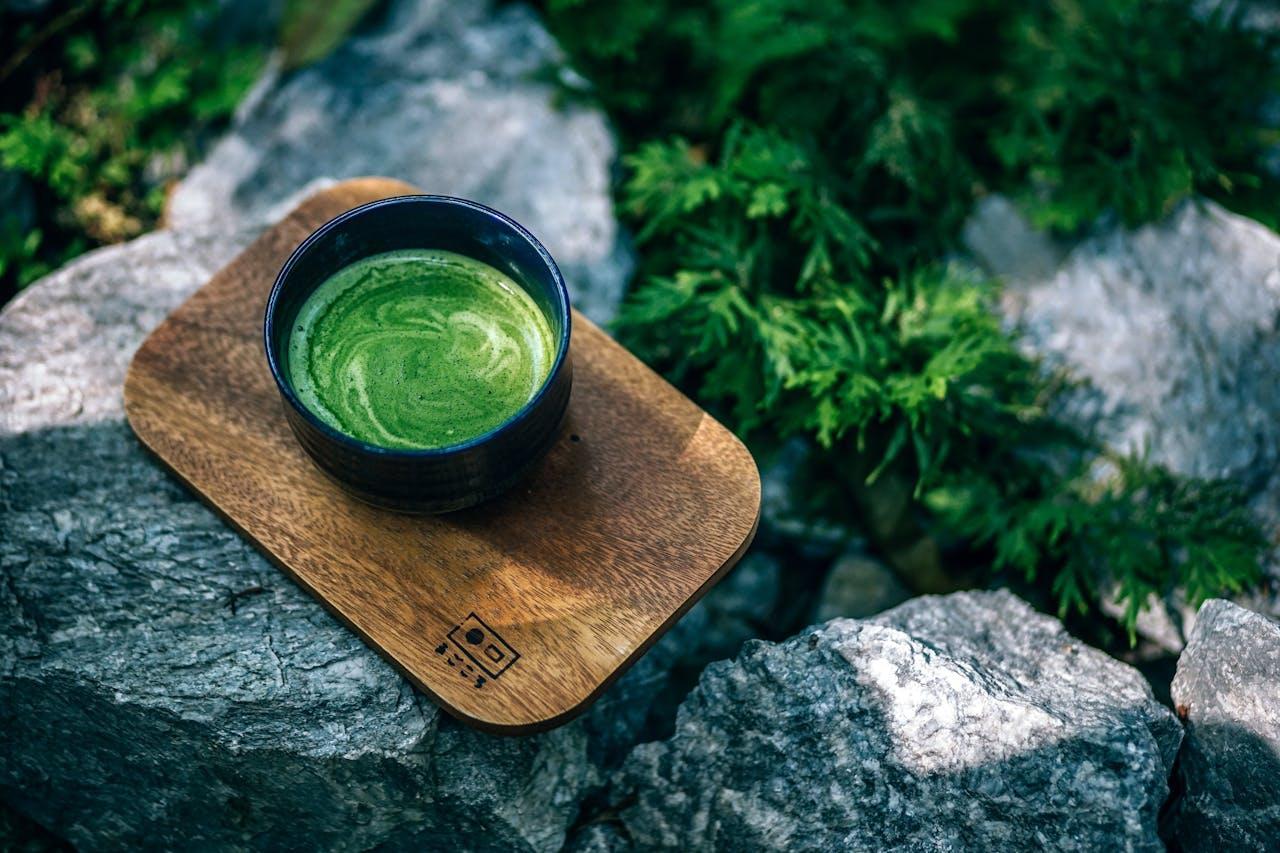
Matcha has been touted as a superfood superstar, packed with antioxidants and delivering a smooth, silky energy boost that coffee converts are switching sides to be a part of. But with this vibrant green powdered drink, timing is more critical than you realise.
Many matcha consumers are doing it all wrong and are drinking it in the morning well before consuming anything else. While a popular morning practice, drinking matcha on an empty stomach produces unpleasant digestive issues that outweigh its incredible benefits.
The Hidden Impact on Your Digestive System
Matcha contains tannins, the same ones found in wine and black tea. These phytochemicals irritate the lining of your stomach if you don’t have food to buffer their effect. The effect? Stomach cramps, nausea, or the queasiness that makes you question why you even got out of bed for your morning ritual.
Matcha’s caffeine is also a factor. There’s approximately 70mg of caffeine in a serving—less than in coffee, but enough to get the acid production in your stomach started. With nothing in your stomach, the excess acid has nowhere to travel but to disrupt your digestive system.
What Happens When Matcha Meets an Empty Stomach?
Your stomach juices are secreted in your stomach due to the contents in matcha, but since there’s nothing to digest, the acid will cause you discomfort. The tannins also bind to proteins in your stomach lining, and this will cause inflammation and burning discomfort.
Others experience so-called “matcha nausea”—a unique form of queasiness that occurs when the powder meets an empty stomach. Your body is simply letting you know that it needs something more to work with.
The Expert-Approved Method
Nutritionists advise drinking matcha 30-60 minutes after a light meal or snack. This gives your digestive system a better opportunity to break down the tannins as well as the caffeine and still get the energy-boosting effect you require.
Even nuts, a banana, or toast will be a good enough buffer to avoid the stomach upset. The idea is that you’re giving your stomach a little something to do before you introduce the strong compounds of matcha in there.
Finding Your Perfect Matcha Moment
The best time one consumes matcha is varied but usually late morning to early afternoon works best. In this manner, one is able to avoid the problem of the empty stomach without the caffeine affecting your sleep later.
As you explore wholesale matcha tea purchase deals, look for food that will complement its earthy flavour. Oatmeal, yogurt, or a light breakfast is the most perfect foundation that will improve the flavour and digestibility of your matcha.
Making Matcha Work for You
Your body’s response to matcha depends on your own level of sensitivity and diet. Have a light snack before you drink your matcha and observe how you feel. Some people need more food, but some people are fine with a small snack.
If you’re a beginner with matcha, begin with small amounts and gradually increase to a full serving as your body gets acclimated. In this way, you can enjoy all the benefits—enhanced concentration, maintained energy, and powerful antioxidants—without the upset stomach.
Remember that matcha is supposed to enhance your day, not disrupt it. If you consume it at the right moment and pair it with the right foods, you can integrate this ancient beverage into your modern day life.